2026 Top Aluminum Extrusion Trends What You Need to Know?
Aluminum extrusion is evolving rapidly. In recent years, the demand for aluminum extrusion products has surged. The global market reached $100 billion in 2022 and is expected to continue this growth. Factors driving this trend include increased demand in construction, automotive, and aerospace industries. The lightweight nature of aluminum makes it appealing for many applications.
However, the industry faces challenges. Sustainability concerns are rising. Companies must adopt greener practices. Recycling rates for aluminum are high; over 75% of aluminum produced is still in use today. Yet, emissions during production are a significant concern.
Technological advancements are helping, but not all manufacturers are keeping pace. Innovation in extrusion processes can lower costs and reduce waste. Adopting new technologies can be daunting for some. This creates a gap between leaders and those lagging behind. In 2026, the focus will shift significantly toward efficiency and sustainability in Aluminum extrusion.

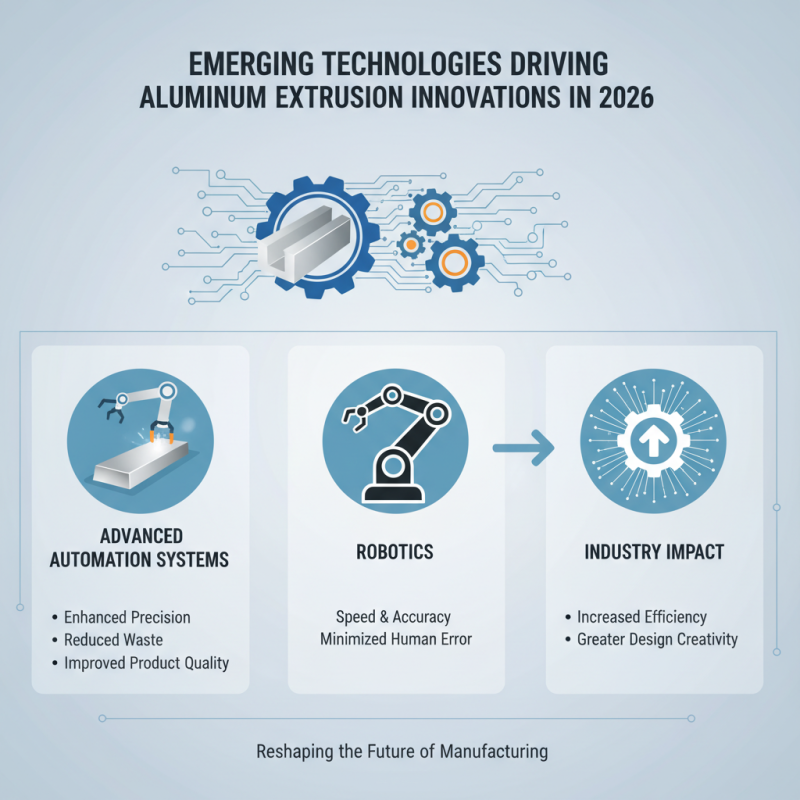
Emerging Technologies Driving Aluminum Extrusion Innovations in 2026
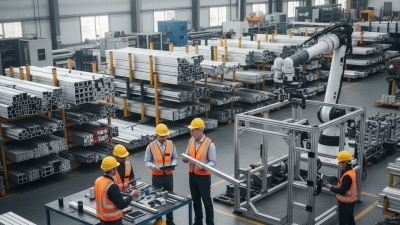
Aluminum extrusion is evolving rapidly. In 2026, emerging technologies will reshape this industry, driving efficiency and creativity. Notably, advanced automation systems are making their mark. These systems enhance precision in extrusion processes. They reduce waste and improve product quality. Robotics play a critical role in this shift. They handle tasks with speed and accuracy, minimizing human error.
Additive manufacturing is another trend worth exploring. 3D printing is gaining traction in aluminum applications. This technology allows for complex geometries that were once difficult to achieve. It opens doors to innovation but poses challenges too. Integrating these new technologies can disrupt traditional methods. Companies must adapt their workflows and invest in training.
Moreover, sustainability remains a key concern. Innovative recycling processes are emerging. They aim to reduce the carbon footprint of aluminum extrusion. However, these methods require careful implementation. Some companies struggle to balance efficiency and sustainability. The journey toward greener practices involves learning and growing from setbacks. Embracing these trends will lead to significant changes in aluminum extrusion by 2026.
Sustainability Trends Influencing Aluminum Extrusion Manufacturing Practices
Sustainability is reshaping aluminum extrusion manufacturing. Manufacturers are exploring eco-friendly materials and processes. Recycling is a major focus. Many companies are looking to use recycled aluminum instead of primary sources. This shift reduces energy consumption significantly. The industry is also examining its carbon footprint. Stricter regulations on emissions are driving these changes.
Green energy is becoming essential in aluminum extrusion. Facilities are turning to renewable sources like solar and wind. These changes may come with high initial costs. The long-term benefits, however, often outweigh these challenges. There is a growing pressure to adopt sustainable practices. Companies that ignore this trend risk falling behind.
Water usage in manufacturing processes is another area of concern. Many operations waste significant amounts. Implementing better water management systems can help. Some companies are still struggling to realize the full potential of these systems. Modifying existing processes may take time and effort. The path to sustainability holds both promise and obstacles, but it is undeniably the future of aluminum extrusion.
Market Demand Shifts and Their Impact on Aluminum Extrusion Industries
The aluminum extrusion industry is witnessing significant shifts in market demand. As sectors like automotive, construction, and renewable energy expand, the need for lightweight and durable materials grows. In recent reports, it was noted that the demand for aluminum extrusions in the automotive sector alone is projected to rise by 15% annually through 2026. This change underlines a critical need for innovation in extrusion techniques and product design.
Sustainability is another driving factor. Companies are increasingly seeking eco-friendly materials. In fact, a study indicated that nearly 70% of manufacturers prioritize sustainability in their sourcing decisions. This shift impacts production methods. Traditional processes may not suffice. Many firms will need to adapt or risk falling behind competitors.
However, this transformation is not without its challenges. The industry faces issues like supply chain disruptions and fluctuating raw material costs. A recent analysis highlighted that up to 40% of extrusion companies reported operational inefficiencies due to these factors. Navigating these issues requires flexibility and a willingness to rethink existing practices. As trends continue evolving, the aluminum extrusion sector must remain proactive to adapt effectively.
2026 Top Aluminum Extrusion Trends
This bar chart illustrates the projected market demand for aluminum extrusion across various industry sectors in 2026. The automotive sector leads with a demand of $45 billion, highlighting significant shifts in market preferences and growth opportunities in the aluminum extrusion industry.
Applications of Aluminum Extrusions in Key Industries for 2026
Aluminum extrusions are gaining traction across various industries in 2026. The construction sector is a prime example. Lightweight yet sturdy, aluminum is ideal for structural applications. It can reduce energy costs in buildings. Designers are increasingly seeking creative ways to incorporate aluminum in facades and framing. This trend signifies a shift towards more sustainable materials. However, the challenge remains in sourcing quality aluminum that meets regulatory standards.
The automotive industry is also leveraging aluminum extrusions more than ever. With a focus on electric vehicles, manufacturers require materials that are both light and strong. Aluminum fits this need perfectly, enhancing vehicle efficiency and performance. Yet, not all designs maximize its potential. There is a need for innovative engineering solutions to ensure optimal use. The risk of overlooking other important factors can hinder progress in this competitive market.
In the electronics sector, aluminum extrusions are found in numerous products. From heat sinks to enclosures, they offer both functionality and aesthetic appeal. However, the market faces issues with recycling and sustainability. Addressing these challenges is crucial for long-term growth. As demand rises, the focus should be on developing eco-friendly processes. This journey towards sustainability requires commitment and innovation.
Future Challenges and Opportunities in the Aluminum Extrusion Market
The aluminum extrusion market faces both challenges and opportunities in the coming years. As industries strive for more sustainable practices, there’s a growing demand for eco-friendly products. However, adapting to these new standards requires investment in technology and processes. Companies must consider their carbon footprint. Is your production line designed for efficiency?
Tips: Conduct a sustainability audit. Identify areas for improvement. Small steps lead to significant change.
Cost fluctuations pose another challenge. Raw material prices can be unpredictable. Manufacturers need strategies to manage these costs effectively. Diversifying suppliers might help mitigate risks. Collaboration with the supply chain can enhance stability.
Tips: Negotiate long-term contracts. Secure fixed pricing where possible. This can protect against sudden price changes.
Innovation in design and application offers exciting opportunities. Lightweight materials attract industries looking to improve fuel efficiency. However, feedback loops are crucial. Listening to client needs shapes future product development. It's essential to remain adaptable and open to new ideas.
Tips: Create platforms for client feedback. Regularly review product performance. This awareness can guide better decisions.
2026 Top Aluminum Extrusion Trends: What You Need to Know?
| Trend |
Description |
Opportunity |
Challenge |
| Sustainability |
Increased demand for eco-friendly materials and processes in manufacturing. |
Growth in market share by adopting green technologies. |
Higher initial costs of sustainable processes. |
| High Strength Alloys |
Development of new aluminum alloys that enhance strength without increasing weight. |
Innovative applications in aerospace and automotive industries. |
Regulatory compliance regarding material specifications. |
| Automation |
Incorporation of automated systems in the extrusion process to improve efficiency. |
Reduction in labor costs and increased production rates. |
Investment in technology and training for workforce adaptation. |
| Customization |
Demand for custom aluminum extrusion profiles to meet specific customer needs. |
Opportunity to cater to niche markets with tailored products. |
Increased complexity in manufacturing processes. |
| Recycling |
Growing trend of using recycled aluminum as a raw material. |
Lower production costs and reduced environmental impact. |
Quality control issues with recycled materials. |








 wechat