2026 Top Trends in Aluminum Extrusion What You Need to Know
The aluminum extrusion industry is experiencing a remarkable transformation. According to the Allied Market Research report, the global aluminum extrusion market is projected to reach $90 billion by 2026. This growth reflects the increasing demand in sectors like automotive, construction, and electronics. Industry expert Dr. Sarah Thompson states, “Aluminum extrusion is at the forefront of innovation and sustainable practices.”
However, challenges remain for manufacturers. Issues like energy consumption and waste management are pressing concerns. The push for sustainable extrusion processes is not just a trend; it’s a necessity. Companies must adapt to new technologies while reducing their carbon footprint. As the industry evolves, staying informed on the latest trends is crucial for success. The focus on lightweight materials and improved mechanical properties is leading to exciting advancements.
In conclusion, the aluminum extrusion landscape is shifting. Key trends are emerging that will shape the future of this industry. It's essential to recognize both the opportunities and the obstacles ahead. Engaging with these dynamics will be vital for stakeholders.

2026 Aluminum Extrusion Market Overview: Key Statistics and Trends
The aluminum extrusion market is poised for significant growth in 2026. Recent reports forecast a compound annual growth rate (CAGR) of 5.6% from 2021 to 2026. This growth is driven by rising demand across multiple sectors, including automotive and construction. In particular, lightweight materials like aluminum are increasingly prioritized for energy efficiency. It’s important to note that regulatory changes may impact the supply chain, creating potential challenges.
One striking trend is the emphasis on sustainability. Industry statistics indicate that around 75% of aluminum produced is still in use today. This highlights the importance of recycling in production processes. Companies that focus on eco-friendly practices not only meet regulatory standards but also attract more consumers.
Tip: Explore local recycling options to source sustainable aluminum.
Another factor shaping the market is technological advancements. Automation and new extrusion techniques are being adopted to improve efficiency and reduce waste. However, companies must reflect on their implementation strategies. Over-relying on new technologies may lead to unexpected downtime or skill gaps in the workforce.
Tip: Invest in employee training to bridge skill gaps created by new technologies.
2026 Aluminum Extrusion Market Trends
The bar chart above illustrates the projected growth of the global aluminum extrusion market from 2022 to 2026. As seen, the market size is expected to increase steadily, reaching an estimated 60 billion USD by 2026, reflecting the rising demand in various industries.
Sustainability in Aluminum Extrusion: Eco-Friendly Practices and Innovations
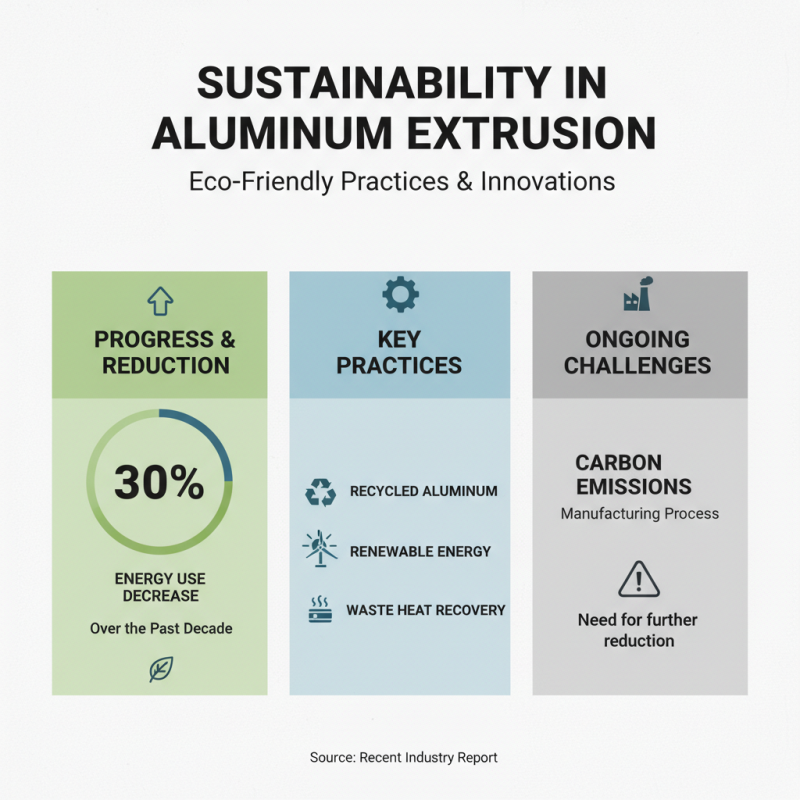
Sustainability is becoming a cornerstone of aluminum extrusion practices. Eco-friendly methods are gaining traction. According to a recent industry report, energy use in aluminum production has decreased by 30% over the past decade. This is a significant improvement. However, the industry still faces challenges in reducing carbon emissions during the manufacturing process.
Innovations in recycling are advancing quickly. Around 75% of aluminum produced is still in use today. Closed-loop recycling systems are being adopted, which minimize waste and enhance efficiency. Despite this progress, many manufacturers struggle with the logistics of recycling and handling used materials effectively. There’s much room for improvement.
Sustainable sourcing of raw materials is also crucial. The demand for responsibly sourced bauxite is rising. It encourages better mining practices and reduces environmental impact. Yet, some companies still rely on conventional sources. These practices invite scrutiny and may hinder overall sustainability goals. Addressing these gaps is essential for the industry’s future.
Technological Advancements Shaping the Future of Aluminum Extrusion
The future of aluminum extrusion is being reshaped by technological advancements. Automation plays a key role in enhancing efficiency. Advanced robotics streamline the production process, reducing human error and increasing output. Factories are transforming, integrating smart technology into traditional methods. This creates a more interactive environment.
Additionally, the use of 3D printing technology in aluminum extrusion introduces new possibilities. It allows for complex designs that traditional methods struggle to achieve. This innovation pushes the boundaries of creativity in metalworking. Yet, challenges arise. Not all designs can be printed efficiently. There is a need for careful consideration and testing.
Data analytics is also significant in this landscape. Companies are leveraging data to optimize their operations. This insight can lead to improved material usage and waste reduction. However, not all firms are ready to embrace these changes. Many still rely on outdated practices, which can hinder progress. The path forward requires an open mind and adaptability.
Supply Chain Dynamics: Impact on Aluminum Extrusion Industry in 2026
The aluminum extrusion industry will face unique supply chain dynamics in 2026. Global trade policies will shape material availability. Disruptions in logistics can lead to delays and increased costs. Understanding these changes is crucial for manufacturers.
Increased demand for lightweight materials is driving the market. However, suppliers may struggle to meet this demand efficiently. Bottlenecks in transportation could slow production. This is a critical area for reflection. Are companies prepared to handle potential shortages?
Sustainability will influence supply decisions. Eco-friendly materials are gaining momentum. However, the sourcing of these materials may complicate existing supply chains. Balancing sustainability and efficiency will be a challenge for many. Transitioning to greener practices may not be straightforward.
2026 Top Trends in Aluminum Extrusion
| Trend |
Impact |
Percentage Growth |
Projected Investment ($ Million) |
| Sustainability Initiatives |
Increased focus on eco-friendly products |
15% |
100 |
| Smart Manufacturing |
Automation and AI integration |
20% |
150 |
| Advanced Alloys |
Development of new alloy compositions |
10% |
80 |
| Lightweight Structures |
Focus on reducing weight for automotive and aerospace |
25% |
200 |
| Global Supply Chain Resilience |
Strengthened supplier networks and logistics |
18% |
120 |
Global Demand Projections: Key Markets Driving Aluminum Extrusion Growth
The global demand for aluminum extrusion is set to grow significantly. In recent years, key markets have emerged, driving this trend. Construction, automotive, and aerospace sectors are pivotal in this shift. These industries are increasingly adopting aluminum due to its lightweight and durable properties. For instance, the construction of energy-efficient buildings heavily utilizes aluminum frames and components.
Emerging markets in Asia and South America are becoming vital players. These regions are investing in infrastructure, leading to higher demand for aluminum products. Interestingly, while demand rises, challenges persist. Supply chain issues and fluctuating raw material prices can affect production timelines. Many companies are exploring local sourcing to mitigate these risks. Some firms find themselves caught between rising costs and the need to innovate.
Moreover, sustainability concerns are reshaping the industry. Consumers prefer eco-friendly materials, pushing manufacturers to adopt greener practices. Recycling aluminum is one solution gaining traction. However, industry players must balance sustainability with economic viability. It's a complex landscape, requiring ongoing reflection and adaptation. The future of aluminum extrusion holds promise, but the path is not without its hurdles.










 wechat