What is Standard Aluminum Extrusion Profiles Benefits and Uses?
Standard Aluminum Extrusion Profiles play a significant role in various industries. According to John Smith, an expert in aluminum manufacturing, "The versatility of standard aluminum extrusion profiles is unmatched." This statement underscores their widespread applications, from architectural designs to automotive components.
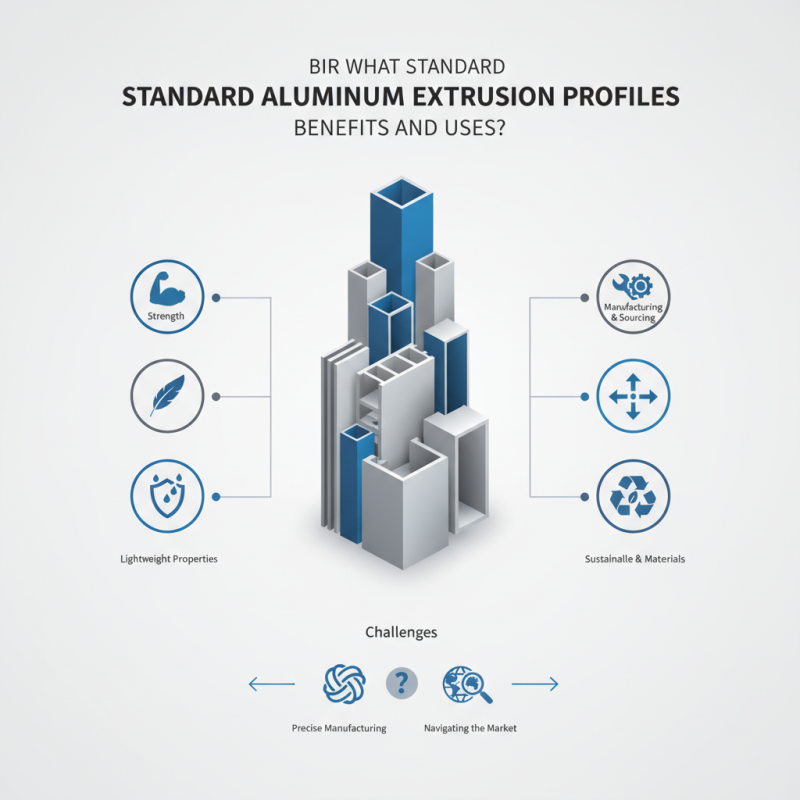
These profiles provide numerous benefits, such as strength, lightweight properties, and resistance to corrosion. Industries often choose these profiles for their ability to meet specific design needs while maintaining structural integrity. However, some challenges exist. For instance, precise manufacturing and sourcing can be complex. Standard Aluminum Extrusion Profiles require careful planning for successful integration into projects.
The growing demand for sustainable materials has made these profiles even more relevant. Businesses are increasingly looking for eco-friendly options. However, navigating the market can be daunting. The choices are vast, and not all options are suitable for every application. Understanding the true potential of Standard Aluminum Extrusion Profiles is crucial for making informed decisions.
What are Standard Aluminum Extrusion Profiles?
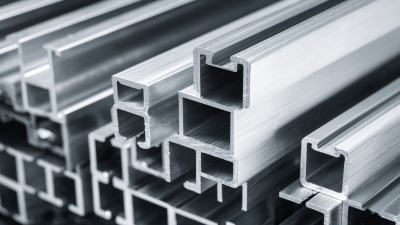
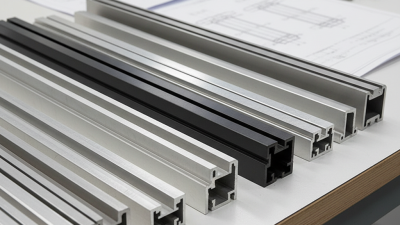
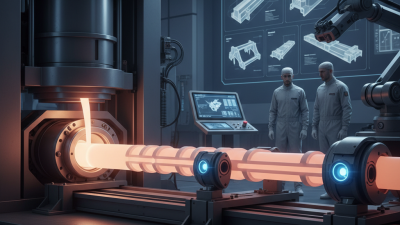
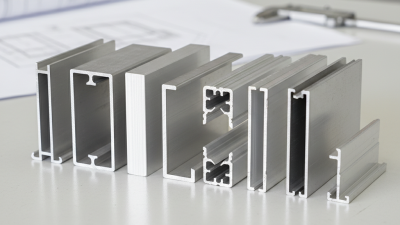
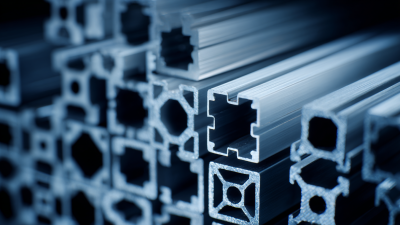
Aluminum extrusion profiles are versatile products widely used in various industries. These profiles are formed by forcing aluminum through a shaped die. The result is long lengths of aluminum sections with specific cross-sectional shapes. This process allows for customization, creating profiles that meet specific needs for functionality and aesthetics.
In construction, standard aluminum extrusion profiles are favored for their strength and lightweight. They are often used in window frames, door frames, and curtain walls. Due to their corrosion-resistant properties, they perform well in harsh environments. Moreover, they are available in different finishes for enhanced appearance and durability.
Tips: When selecting an extrusion profile, consider its thermal performance. Proper insulation can reduce energy costs significantly. It's important to assess the load conditions the profile will face. Not all shapes perform equally under stress, so choose wisely. Testing different configurations can lead to unforeseen benefits. Reflect on how design choices affect production efficiency and cost.
Key Benefits of Using Standard Aluminum Extrusion Profiles
Standard aluminum extrusion profiles offer numerous benefits across various industries. Their lightweight nature makes them ideal for many applications. Aluminum can resist corrosion, adding to its appeal. This durability leads to lower maintenance costs over time.
One key benefit is versatility. Customizable in shape and size, extrusions can meet specific design needs. This flexibility allows engineers and architects to innovate freely. However, careful planning is essential. A poorly designed extrusion could lead to performance issues, affecting the final product.
Tips: Consider the application thoroughly. Choose profiles that align well with your project requirements. Test different designs before finalizing any choices. Done right, standard aluminum profiles can revolutionize your projects, enhancing both functionality and aesthetics.
What is Standard Aluminum Extrusion Profiles Benefits and Uses? - Key Benefits of Using Standard Aluminum Extrusion Profiles
| Feature |
Benefit |
Use Case |
| Lightweight |
Easy to transport and install |
Automotive and aerospace components |
| Corrosion Resistance |
Longer lifespan without maintenance |
Building facades and outdoor structures |
| Versatile Design |
Customizable for various applications |
Furniture and display fixtures |
| Recyclable |
Environmentally friendly material |
Green building projects |
| High Strength-to-Weight Ratio |
Strong yet lightweight construction |
Frameworks and supports |
Common Applications of Standard Aluminum Extrusion Profiles
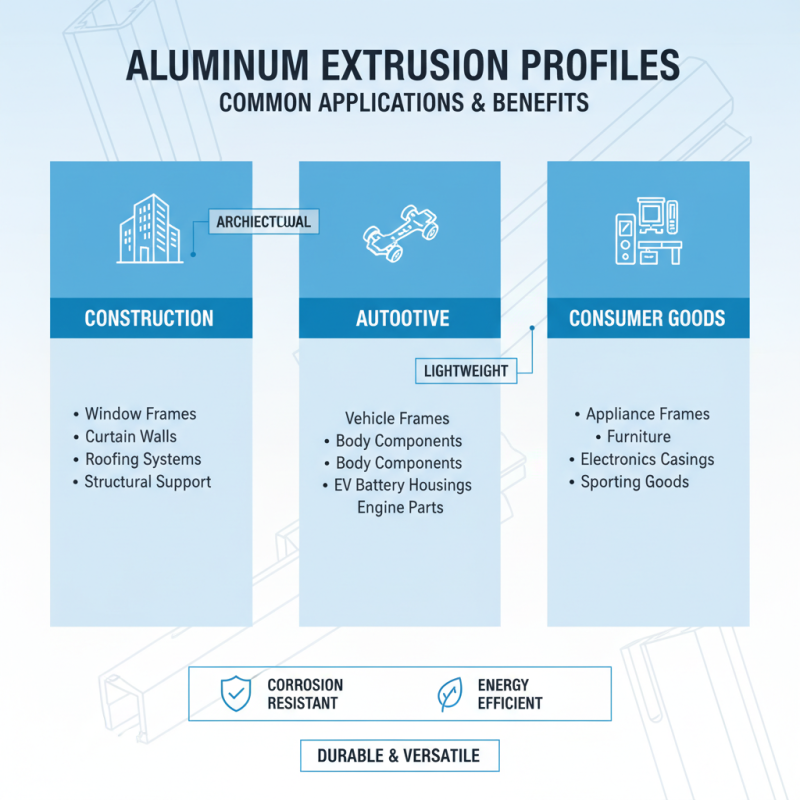
Standard aluminum extrusion profiles serve various industries due to their versatility and durability. These profiles can be found in construction, automotive, and consumer goods. Their lightweight nature makes them ideal for structural applications. Many architects prefer aluminum profiles for window frames, curtain walls, and roofing systems. The material resists corrosion and enhances energy efficiency.
In the automotive industry, aluminum profiles play a role in manufacturing vehicle frames and components. They contribute to overall weight reduction, which boosts fuel efficiency. Additionally, in the consumer goods sector, aluminum is used in the production of furniture, kitchenware, and electronic devices. The ease of fabrication allows manufacturers to create customized designs.
Despite their advantages, there can be challenges. Not all aluminum profiles are created equal in terms of quality. Inconsistent extrusion processes can lead to dimension inaccuracies. This necessitates careful selection and inspection of materials. Balancing cost with performance is also a factor to consider in any project. Striving for the perfect combination requires constant evaluation and adjustment.
Comparison with Other Materials in Construction and Manufacturing
When comparing standard aluminum extrusion profiles to other materials in construction and manufacturing, several key benefits stand out. Aluminum is lightweight yet strong, making it an ideal option for various applications. Its resistance to corrosion also offers significant longevity. This means structures remain intact even under harsh environmental conditions.
In contrast, steel is heavy and often requires additional treatment to prevent rust. While it offers strength, it may not be as versatile. Wood, while aesthetically pleasing, is prone to warping and rotting over time. In terms of sustainability, aluminum is recyclable, which reduces waste and environmental impact. However, the energy required for aluminum production can be substantial, prompting reflections on its overall sustainability.
For companies, the adaptability of aluminum extrusion profiles allows for efficient customization. This can save time and costs during the manufacturing process. Yet, some industry professionals express concerns about the initial investment. Evaluating these factors is essential for making informed decisions.






 wechat