Why Choose Aluminum Alloy Profiles for Your Next Project?
When it comes to construction and manufacturing projects, selecting the right materials is crucial. Aluminum Alloy Profiles stand out due to their versatility and strength. According to John Smith, a leading expert in the aluminum industry, “Aluminum Alloy Profiles are not just lightweight; they offer unmatched durability.” This quality makes them ideal for a range of applications.
These profiles can be easily manipulated to fit specific design needs. They can be anodized or powder-coated, enhancing their aesthetic appeal. Moreover, aluminum's natural resistance to corrosion ensures longevity, reducing maintenance costs over time. However, some may question the initial investment in these materials. It's essential to weigh upfront costs against long-term benefits.
In industries ranging from aerospace to architecture, Aluminum Alloy Profiles are a trusted choice. Their combination of lightweight properties and structural integrity empowers engineers and designers alike. While they may require more careful handling during installation, the performance benefits far outweigh potential drawbacks. Transitioning to these advanced materials can redefine project outcomes, making them a worthy consideration for future developments.
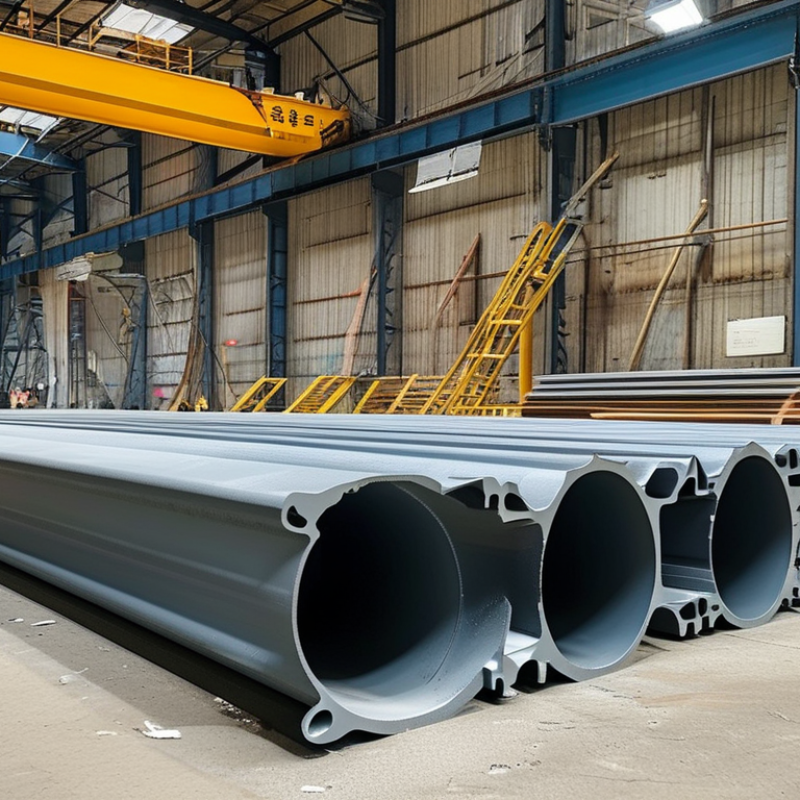
Benefits of Using Aluminum Alloy Profiles in Construction Projects
Aluminum alloy profiles have gained immense popularity in construction projects, and for good reasons. One significant benefit is their lightweight nature. This characteristic allows for easier handling and installation, speeding up project timelines. Workers can maneuver these profiles with less strain, enhancing productivity and safety on-site. In large projects, this can lead to notable savings in labor costs.
Durability is another key advantage. Aluminum alloys resist corrosion, making them ideal for various weather conditions. This resistance means buildings can maintain their aesthetic appeal without frequent maintenance. Additionally, the strength-to-weight ratio of aluminum alloys means they can support substantial loads while remaining lightweight. However, it's essential to ensure proper design and engineering to maximize these benefits, as miscalculations may lead to structural weaknesses.
Sustainability also plays a crucial role in the choice of aluminum. These materials are recyclable, reducing waste in construction. Using aluminum profiles can contribute to more eco-friendly building practices. However, reliance on aluminum requires careful consideration of sourcing and production methods. This reflection can lead to more responsible choices in materials and processes, ultimately benefiting both the environment and project outcomes.
Key Properties of Aluminum Alloys that Enhance Project Durability
Aluminum alloys are increasingly chosen for various projects due to their remarkable properties. They are lightweight yet strong. This unique combination allows for easy handling without compromising structural integrity. The ability to resist corrosion is another compelling factor. Projects that face harsh environments benefit significantly from this characteristic. The longevity of aluminum structures reduces maintenance needs. This translates to long-term cost savings for any project.
Additionally, aluminum alloys exhibit excellent malleability. This enables them to be shaped into complex forms without losing strength. Designers appreciate this versatility. They can create innovative solutions tailored to specific requirements. However, there can be challenges. For instance, not all aluminum alloys offer the same performance. Selecting the right alloy for the intended application is critical. Testing and research can guide these choices effectively.
Moreover, aluminum alloys possess good thermal and electrical conductivity. This is especially important for projects that involve wiring or need efficient thermal management. While this can enhance efficiency, it also demands careful consideration to avoid overheating. Expectations should be tempered. Each project may require an in-depth analysis to ensure maximum benefit from these materials.
Cost-Effectiveness: Why Aluminum Alloys are a Smart Investment
Choosing aluminum alloy profiles for your next project can be a cost-effective decision. Aluminum alloys are known for their excellent strength-to-weight ratio. This means that projects can benefit from lighter materials without sacrificing durability. The reduced weight can also lower shipping costs. This can lead to significant savings in large-scale projects.
The manufacturing process for aluminum alloys is efficient. They can be produced in various shapes and sizes, allowing for customization. This flexibility can minimize waste when designing products. Many businesses find that the initial investment in aluminum alloys pays off through reduced long-term maintenance costs. They resist corrosion and require less frequent replacements.
On the other hand, it's essential to consider the specific needs of your project. Aluminum alloys may not suit every application. In high-stress environments, they can sometimes fall short compared to other materials. Understanding these nuances is crucial for making informed decisions. Each project presents unique challenges, and careful evaluation is necessary. This ensures that the choice of material aligns with the intended use.
Applications of Aluminum Alloy Profiles Across Various Industries
Aluminum alloy profiles are used in various industries, showcasing versatility and strength. In the automotive sector, lightweight aluminum components can improve fuel efficiency by up to 30%. This significantly reduces carbon emissions. Recent studies indicate that manufacturers are integrating aluminum alloys to enhance vehicle performance. These materials offer durability while also being easier to mold and shape.
Construction benefits greatly from aluminum alloy profiles. They are commonly utilized in window frames, structural supports, and roofing materials. According to a report by the Aluminum Association, the construction industry accounts for approximately 25% of aluminum usage globally. This trend highlights the critical role aluminum plays in creating sustainable and energy-efficient buildings.
In the aerospace field, aluminum alloys are preferred for their strength-to-weight ratio. They contribute to safer and more efficient aircraft design. The global aerospace sector uses around 70% of its aluminum in the form of alloys. However, there’s a challenge: sourcing these materials responsibly is vital to ensure sustainable practices.
Environmental Sustainability of Aluminum Alloy Materials in Manufacturing
Aluminum alloys are increasingly recognized for their environmental sustainability in manufacturing. According to the International Aluminum Institute, aluminum is infinitely recyclable without losing its properties. This feature makes it an exceptional choice for projects aiming for a sustainable footprint. The recycling process uses only 5% of the energy needed to produce new aluminum, significantly reducing carbon emissions.
In the construction sector, using aluminum can minimize waste. A report from the European Aluminium Association indicates that buildings using aluminum can reduce their energy consumption by up to 40% compared to traditional materials. This energy efficiency leads to lower operational costs and enhances the life cycle of the structure.
Moreover, with aluminum alloys, manufacturers can reduce scrap during production, reflecting a commitment to sustainable practices.
However, the production of aluminum does have concerns. The energy-intensive extraction process can generate greenhouse gases. This poses questions about the balance between production methods and environmental impact. Engineers and architects must consider these factors when selecting aluminum for their projects.
Emphasizing continuous improvement in production techniques and exploring renewable energy sources could further enhance aluminum's sustainability profile in the future.









 wechat