Why Choose Channel Aluminum Extrusion Profiles for Your Projects?
In recent years, Channel Aluminum Extrusion Profiles have gained substantial popularity in various industries. A report from the Aluminum Association highlights that the extrusion market is expected to grow by approximately 4% annually. This growth is driven by aluminum's lightweight nature and durability. Channel Aluminum Extrusion Profiles offer unique design flexibility. They can be easily customized to meet specific project needs.
These profiles are widely used in construction, manufacturing, and automotive sectors. Their versatility allows for innovative applications, such as creating custom frames and supports. However, companies sometimes struggle with sourcing high-quality extrusions. It is essential to partner with reliable suppliers to ensure optimal performance. While the initial costs may seem high, the long-term benefits often justify the investment.
Channel Aluminum Extrusion Profiles stand out for their strength and low maintenance. They resist corrosion and can withstand harsh conditions. This reliability makes them a preferred choice for many engineers and designers. However, not all extrusions are created equal. It's vital to thoroughly evaluate options to ensure that they meet the project's specific requirements. The right choice can lead to significant efficiency and cost savings.
Advantages of Channel Aluminum Extrusion Profiles in Construction
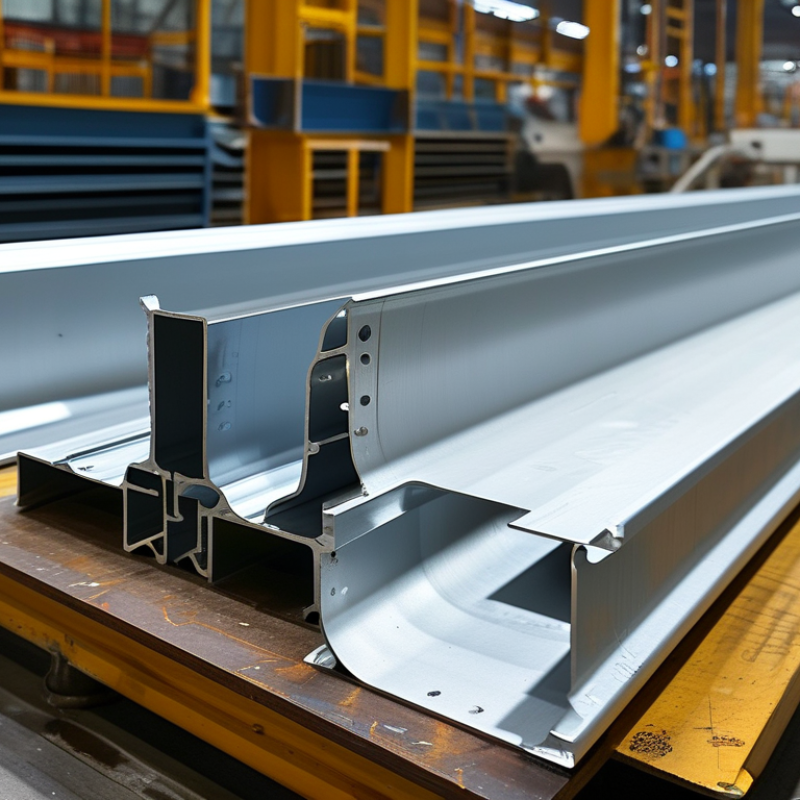
Channel aluminum extrusion profiles have become increasingly popular in construction projects. These profiles offer significant structural advantages that make them a preferred choice. They provide robust support while being lightweight. This combination allows for easy handling and installation.
One notable feature of channel aluminum profiles is their corrosion resistance. Unlike steel, aluminum does not rust, making it suitable for various environments. This quality enhances the longevity of structures. Additionally, aluminum has a high strength-to-weight ratio. This means that thinner profiles can still provide ample strength, allowing for more design flexibility.
However, working with aluminum does require careful consideration. Although easy to manipulate, the material can be prone to denting. Planning to mitigate these risks is crucial for maintaining quality. Overall, channel aluminum extrusion profiles present numerous benefits, but it's essential to weigh their characteristics during project design.
Applications of Channel Aluminum Extrusion in Various Industries
Channel aluminum extrusion profiles are versatile components used in various industries. They offer unique advantages, such as lightweight construction and high strength. These properties make them ideal for applications in the automotive, aerospace, and construction sectors.
In automotive manufacturing, channel profiles are used to create lightweight frameworks for vehicles. Their strength helps improve fuel efficiency without sacrificing safety.
In the aerospace industry, channel profiles support critical structural elements. They are often found in aircraft frames and components. Their resistance to corrosion enhances the durability of these parts in harsh environments.
In construction, aluminum channels serve as support structures for windows and doors. They provide an aesthetic finish while ensuring stability and strength.
Despite their advantages, there are challenges to consider. For example, the precision required in extrusion can lead to variations in dimensions. This can affect assembly and performance in certain applications. Additionally, while aluminum is recyclable, the energy required for the extrusion process can raise environmental concerns. It's crucial to evaluate these factors when selecting channel aluminum extrusion profiles for projects.
Comparison of Channel Aluminum and Other Extrusion Profiles
When comparing channel aluminum extrusion profiles to other types, several factors come into play. Channel aluminum offers a specific structural integrity that many projects require. For instance, its U-shape allows for easy assembly and integration into various applications. This design supports weight while maintaining flexibility in construction.
Channel aluminum profiles excel in various environments. While they shine in strength, other extrusion types often lack this level of support. They are suitable in applications needing both lightweight and durable materials. However, some projects might benefit from more intricate designs offered by rounded or square profiles.
Tips: When selecting aluminum profiles, consider the weight capacity needed. Analyze if channel aluminum aligns with the structural demands of your project. Investigate how different shapes impact overall cost-efficiency. Balancing functionality and aesthetics often requires careful thought. Choosing a suitable profile can make or break the design.
Comparison of Channel Aluminum Extrusion Profiles with Other Extrusion Profiles
Factors to Consider When Selecting Channel Aluminum Extrusions
When selecting channel aluminum extrusion profiles for your projects, various factors come into play. The design and structural needs differ considerably based on applications. Consider the industrial environment where the extrusions will be used. For instance, high moisture areas may require a specific finish. This ensures longevity and performance under challenging conditions.
Tip: Evaluate the weight and strength requirements of your project before making a choice. Light-duty applications may not need robust profiles, while structural applications require heavy-duty options.
Another crucial factor is the dimensional tolerance of the extrusions. Tight tolerances are vital for projects needing precise assembly. During fabrication, small discrepancies can lead to significant issues down the line. It’s essential to ensure that the profiles meet your specifications.
Tip: Always verify the supplier’s capability to maintain the required tolerances. Inaccurate dimensions can cause delays and increased costs.
Also, consider the anodizing or powder coating options. These finishes not only enhance aesthetics but also provide additional resistance against corrosion. However, the choice of finish can influence the overall cost. Balancing quality with budget constraints is a continuous challenge in many projects. Reflect on what finish truly meets your needs.
Why Choose Channel Aluminum Extrusion Profiles for Your Projects? - Factors to Consider When Selecting Channel Aluminum Extrusions
| Factor |
Description |
Advantages |
Considerations |
| Material Quality |
High-grade aluminum that is lightweight yet strong. |
Durability, corrosion resistance, and ease of handling. |
Ensure compliance with industry standards. |
| Customization |
Ability to design specific profiles to meet project requirements. |
Tailored solutions for unique applications. |
Higher costs for bespoke designs may apply. |
| Weight |
Lightweight construction material that reduces overall project weight. |
Easier transport and installation, lower structural load. |
Weight limits must be assessed based on application. |
| Finish Options |
Various finishes available, including anodized, powder-coated, and mill finish. |
Improved aesthetics and enhanced corrosion resistance. |
Selection of finish can affect durability and cost. |
| Sustainability |
Recyclability of aluminum makes it an eco-friendly choice. |
Supports green building initiatives and reduces waste. |
Verify recycling capabilities in your region. |
Sustainability and Cost-Effectiveness of Channel Aluminum Profiles
Channel aluminum extrusion profiles have gained popularity for their sustainability and cost-effectiveness. The recycling rate of aluminum is impressive, with over 75% of aluminum ever produced still in use today. This high reuse potential contributes significantly to reducing waste and energy consumption in manufacturing processes.
Using channel aluminum profiles can lead to substantial cost savings. According to a report by the Aluminum Association, producing aluminum from recycled materials consumes about 95% less energy than creating new aluminum from ore. This energy efficiency translates into lower production costs and can provide a competitive edge in pricing for projects. Also, aluminum itself is lightweight yet strong, making it a resource-efficient choice for various applications.
There are challenges to consider. While the material is durable, design limitations can affect its performance in specific applications. Misjudging the load-bearing capacity may lead to structural failures. Therefore, it's crucial to work with experienced engineers to ensure optimal design choices. Balancing cost savings with performance is essential for project success.







 wechat