How to Choose the Right Aluminum Extrusion Tube Profiles?
Choosing the right aluminum extrusion tube profiles is crucial for various applications. These profiles can significantly impact design efficiency and product durability. The right choice will enhance both performance and aesthetics.
When selecting aluminum extrusion tube profiles, consider factors like strength, weight, and thermal conductivity. Each profile serves a unique purpose. Not all options will suit your specific needs. Reflecting on your project requirements is essential.
Clarity in your decision-making process is vital. Seek expert advice and explore various options. You might feel overwhelmed by choices, but understanding your specific criteria will guide you. Remember, the right aluminum extrusion tube profile can make a significant difference in long-term success.
Understanding the Basics of Aluminum Extrusion Tube Profiles
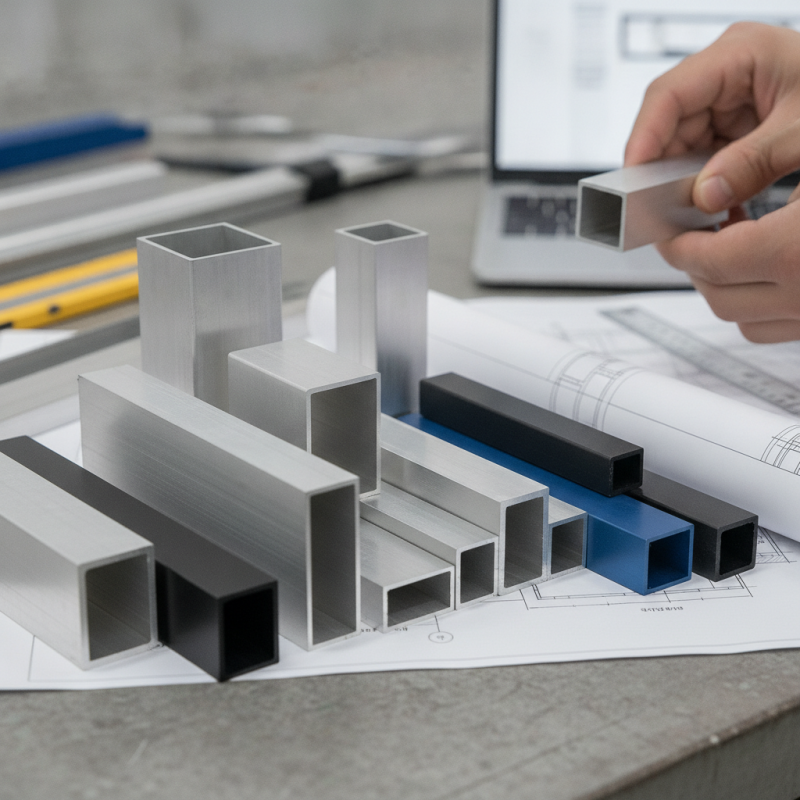
Aluminum extrusion tube profiles are widely used in various industries. Understanding their basics is crucial for effective selection. Extrusion is a process that shapes aluminum into specific profiles. Manufacturers heat aluminum and push it through a die. This creates long shapes with uniform cross-sections.
When choosing aluminum profiles, consider dimensions carefully. The internal and external diameters are essential for fit and application. Wall thickness affects strength and weight. Thicker walls provide durability but increase weight. These factors must align with your project's requirements. It's important to reflect on the long-term goals of your application.
Surface finish is another significant aspect. Different finishes can enhance appearance and resistance. However, they can also increase costs. Evaluate the trade-offs here. Not every project needs a high-end finish. Balancing budget with functionality requires thoughtful consideration. A poorly chosen profile can lead to complications later, so thorough research is essential.
How to Choose the Right Aluminum Extrusion Tube Profiles? - Understanding the Basics of Aluminum Extrusion Tube Profiles
| Profile Type |
Material Alloy |
Common Applications |
Strength (MPa) |
Weight (kg/m) |
| Round Tube |
6061 |
Framework, Handrails |
240 |
2.7 |
| Square Tube |
6063 |
Building Frames, Furniture |
230 |
3.0 |
| Rectangular Tube |
6082 |
Structural, Automotive |
260 |
4.2 |
| Oval Tube |
6005 |
Bicycle Frames, Decorative |
220 |
2.5 |
| I-Beam |
7075 |
Support Structures, Aircraft |
570 |
5.0 |
Evaluating Specifications: Dimensions, Wall Thickness, and Weight Factors
When selecting aluminum extrusion tube profiles, evaluating specifications is crucial. Dimensions play a key role in determining usability. Common dimensions typically vary between 20mm to 200mm in diameter. It's vital to assess the fit in your project context. Many projects require custom sizes, which can lead to increased costs.
Wall thickness affects structural integrity. Standard wall thickness ranges from 1mm to 5mm. Thicker walls can enhance strength but add weight. Lighter options may decrease structural tolerance, which could be a concern. A balance must be found. In critical applications, meticulous calculations are necessary to ensure safety and durability.
Weight factors also contribute significantly to material selection. Aluminum's density averages around 2.7 g/cm³. For large projects, small differences in weight can escalate from hundreds to thousands of pounds. Careful consideration here can help in optimizing not just performance but cost efficiency as well.
Tip: Always consult with an industry expert to ensure the proper specifications. Engaging with experienced professionals might bring insights missed during initial assessments.
Tip: Utilize 3D modeling software. Visualizing dimensions and wall thickness can unveil design flaws early on, saving time and money.
Designers often overlook these specifications, leading to failures in functionality or increased expenses. Meticulously re-evaluating these details ensures successful outcomes in your projects.
Aluminum Extrusion Tube Profiles: Dimensions, Wall Thickness, and Weight Factors
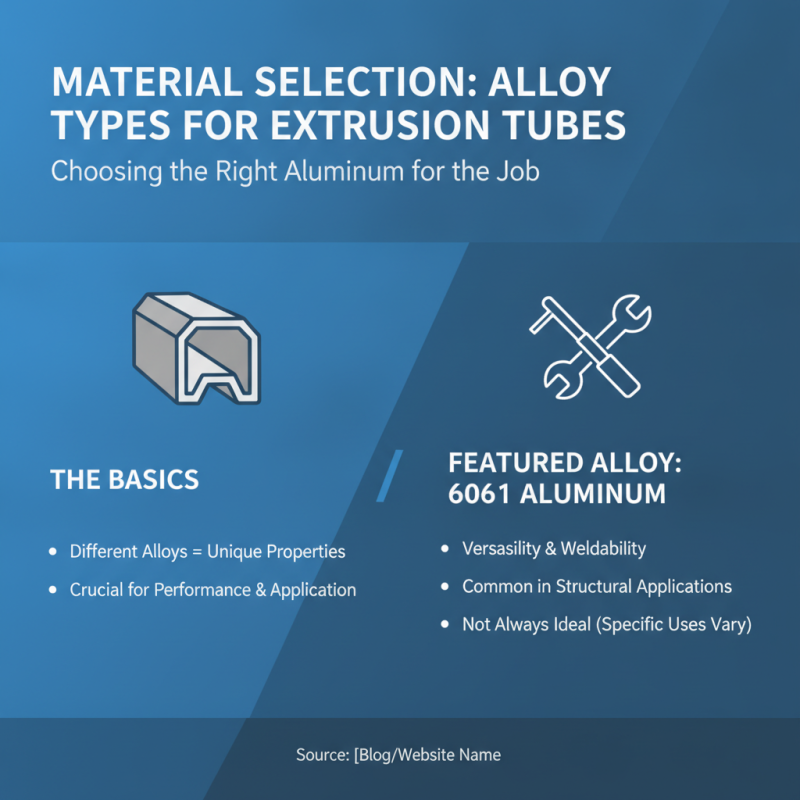
Material Selection: The Importance of Alloy Types in Extrusion Tubes
Choosing the right alloy type for aluminum extrusion tubes is crucial. Different alloys offer unique properties and characteristics. For instance, 6061 aluminum is known for its versatility and weldability. It is often used in structural applications. However, it may not be suitable for every scenario.
Consider the specific requirements of your project. Factors like strength, corrosion resistance, and weight play a significant role. 7075 aluminum, for example, is stronger but less corrosion-resistant than 6061. It can be ideal for aerospace applications but might require additional coatings for durability.
Understanding the nuances between alloy types is essential. Not all aluminum is created equal. An alloy used in one application may not perform well in another. Reflecting on your project needs will help ensure long-lasting and reliable results. Careful material selection can prevent costly mistakes later on.
Design Considerations: Custom Profiles vs. Standard Shapes
Choosing between custom aluminum extrusion tube profiles and standard shapes is crucial. Each option has distinct advantages. Custom profiles can be tailored to specific applications, allowing for optimization in weight, strength, and functionality. Industry reports indicate that 70% of companies that opt for custom profiles report increased efficiency in their design processes.
Standard shapes, on the other hand, offer cost benefits and quicker lead times. They are typically produced in bulk, leading to lower prices. According to a recent study by the Aluminum Association, over 40% of businesses prefer using standard shapes due to budget constraints and quicker delivery times. However, relying on standard shapes might limit innovation.
Tip: When considering your needs, evaluate the long-term benefits of each option. Custom profiles might involve higher upfront costs but can lead to greater competitive advantages.
Be mindful that choosing the right profile requires balancing initial expenses with future performance. Companies should gather data on their project requirements. Some might discover that a small adjustment in a standard shape could meet their needs, leading to remarkable savings.
Tip: Consult with industry experts to refine your profile choice and avoid potential design pitfalls. Gathering insights can prevent costly mistakes down the line.
Applications of Aluminum Extrusion Tubes in Various Industries
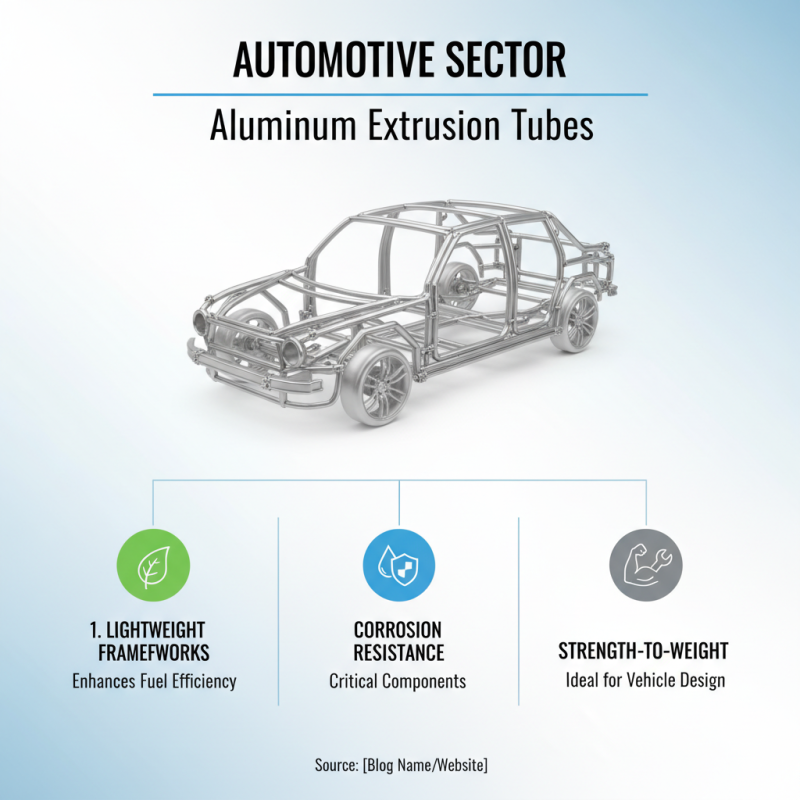
Aluminum extrusion tubes have a wide range of applications across various industries. In the automotive sector, they are used for lightweight frameworks that enhance fuel efficiency. Their corrosion resistance makes them suitable for critical components exposed to the elements. Engineers prefer these tubes when designing vehicles, as they provide strength without excessive weight.
The construction industry also benefits from aluminum extrusion tubes. They are used in window frames, partitions, and roofing systems. These tubes offer flexibility in design while ensuring durability. In the medical field, their non-reactive properties are essential for manufacturing equipment and devices that come into contact with patients.
Choosing the right profile can be challenging. There are many factors to consider. Engineers often face decisions based on weight, strength, and cost-effectiveness. Mistakes can lead to increased expenses and project delays. It’s crucial to conduct thorough research and collaborate with experienced professionals. Exploring innovative solutions may also reveal new possibilities. Each application has its unique requirements that must be addressed carefully.







 wechat