How to Choose the Right Extruded Aluminum Enclosure Profiles?
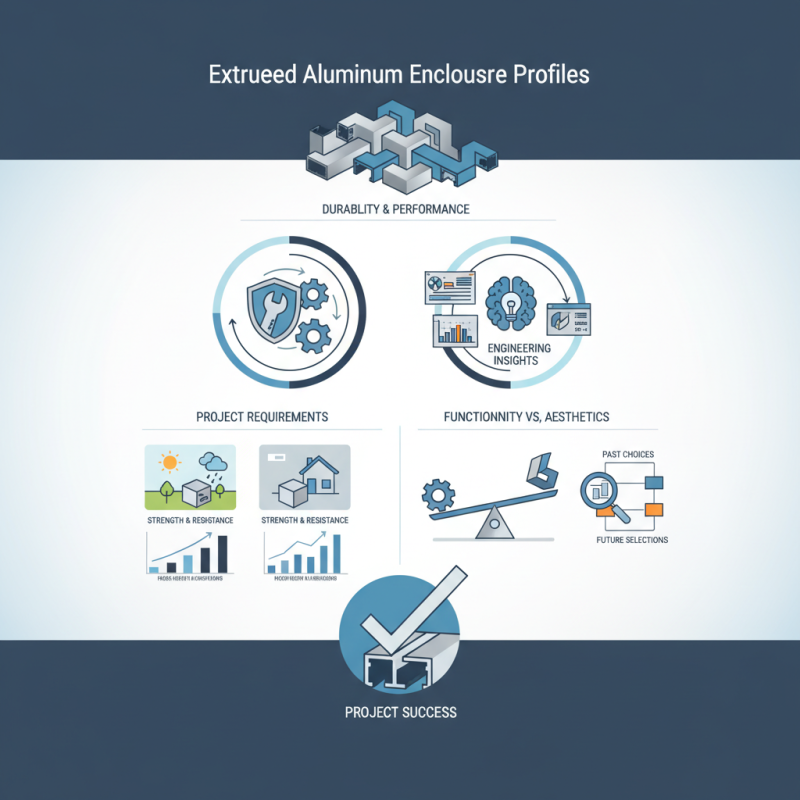
Choosing the right Extruded Aluminum Enclosure Profiles is crucial for various applications. According to industry expert John Smith, “The right profile enhances durability and performance.” His insights guide many engineers in selecting the best materials.
When selecting Extruded Aluminum Enclosure Profiles, consider specific project requirements. Different profiles offer varying levels of strength and resistance. Understanding the application is vital to avoid costly mistakes. For example, an enclosure for outdoor equipment needs better weather resistance than one for indoor use.
Moreover, not all profiles are created equal. Some might seem attractive but fail in practical situations. Therefore, it’s critical to balance aesthetics and functionality. Reflecting on past choices can help refine future selections. The right profile can make a significant difference in project success.
Understanding Extruded Aluminum Enclosures and Their Benefits
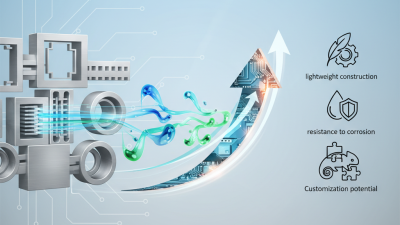
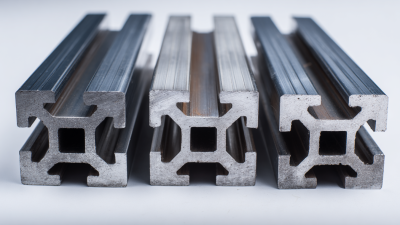
Extruded aluminum enclosures provide versatile solutions for various applications. These enclosures can be customized to meet specific dimension and design needs. Their lightweight nature ensures easier handling and installation, while their durability offers significant advantages over plastic or steel options. According to recent industry studies, extruded aluminum has a tensile strength of up to 310 MPa. This performance makes them reliable in harsh environments.
When choosing extrusion profiles, consider the enclosure's thermal conductivity. Aluminum generally excels in dissipating heat, which benefits electronic components. In electronics, maintaining optimal temperatures is crucial. A simple mistake in profile selection can lead to overheating.
Tips: Always evaluate your specific application requirements. Don’t overlook the importance of environmental factors. Moreover, perform a stress analysis to ensure that the profile can withstand operational demands. It is also helpful to consult industry experts for guidance on best practices. They can offer insights that will enhance overall performance and reliability. Remember, selecting the right enclosure is not merely about aesthetics. It involves balancing multiple technical aspects for optimal functionality.
How to Choose the Right Extruded Aluminum Enclosure Profiles? - Understanding Extruded Aluminum Enclosures and Their Benefits
| Profile Type |
Dimensions (mm) |
Weight (kg/m) |
Common Applications |
Benefits |
| Standard Rectangular |
100 x 50 |
2.5 |
Electrical devices, Controls |
Easy to assemble, Versatile |
| L-Shaped |
75 x 75 |
1.8 |
Corner supports, Frames |
Space-efficient, Strong support |
| C-Channel |
50 x 100 |
2.0 |
Mounting brackets, Structural frames |
Strong, Lightweight |
| Round Tube |
30 Ø |
0.9 |
Handles, Light fixtures |
Aesthetic design, Easy to grip |
| T-Slot |
40 x 40 |
1.5 |
Workstations, Automation |
Modular, Easy assembly |
Key Factors to Consider When Selecting Aluminum Profiles
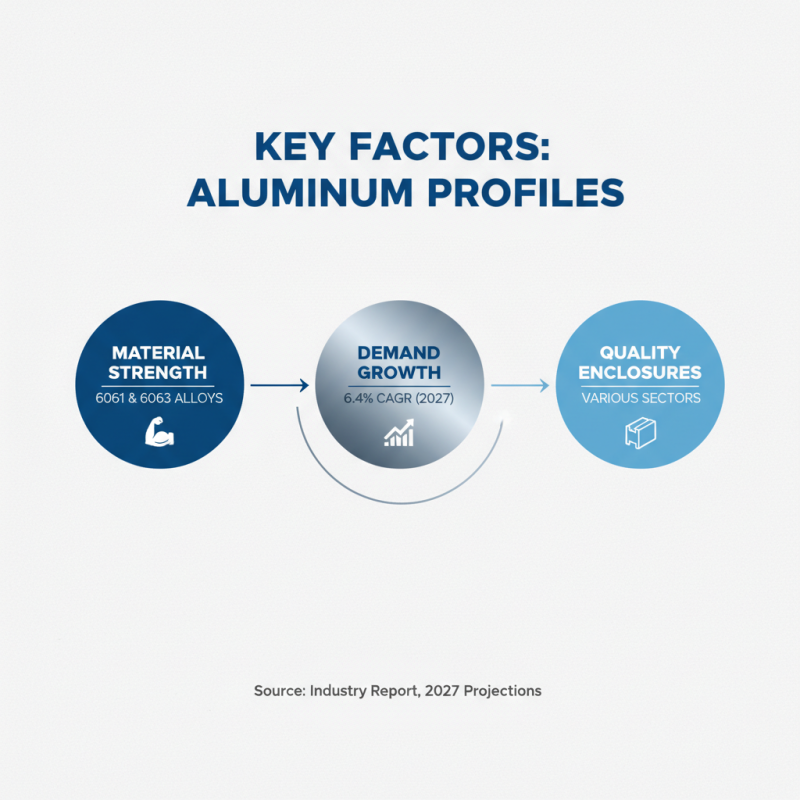
When selecting extruded aluminum enclosure profiles, several key factors should guide your decision. Material strength is crucial. High-strength alloys, such as 6061 and 6063, are popular in the industry. According to a recent industry report, the global aluminum extrusions market is projected to grow by 6.4% annually through 2027. This trend highlights the increasing demand for quality enclosures in various sectors.
Design flexibility is another important consideration. Extruded aluminum can be easily customized, allowing for specific dimensions and features. When designing your enclosure, think about thermal management. Proper ventilation holes or fins can optimize heat dissipation, enhancing device longevity. Research shows that nearly 70% of electronic device failures are linked to overheating.
Tip: Always consider the environmental conditions, like humidity and temperature fluctuations, the enclosure will face. While aluminum offers excellent corrosion resistance, an additional anodized finish may provide further durability for demanding settings.
Another tip: don't overlook weight. While aluminum is lightweight, the specific design can add bulk. This might be counterproductive, especially in applications where portability is key. Thus, balancing weight and strength is essential for optimal performance.
Common Applications of Extruded Aluminum Enclosure Profiles
Extruded aluminum enclosure profiles find numerous applications across various industries. They are popular in electronics, providing housing for circuit boards and other sensitive components. Their lightweight nature makes them an excellent choice for portable devices. The durability of aluminum ensures that these enclosures can withstand environmental factors, such as heat and moisture.
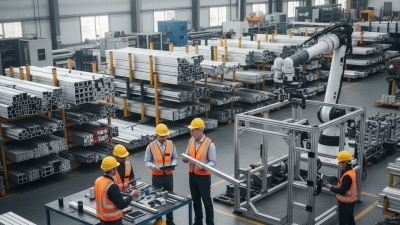
In the automation industry, extruded aluminum profiles are used for building protective housings. They safeguard sensitive equipment while allowing easy access for maintenance. These enclosures can also be customized to fit specific machinery, enhancing functionality. However, one must consider the balance between protection and accessibility. An enclosure that is too restrictive can hinder maintenance.
Extruded aluminum profiles also serve the transportation sector. They are perfect for creating rugged and lightweight structures that require durability. These profiles often find their way into automotive applications, improving both performance and safety. Precision in design is crucial, as even tiny flaws can lead to significant issues. To achieve optimal results, ensure that each design is thoroughly tested and refined.
Common Applications of Extruded Aluminum Enclosure Profiles
Design and Customization Options for Extruded Aluminum Enclosures
When selecting extruded aluminum enclosures,
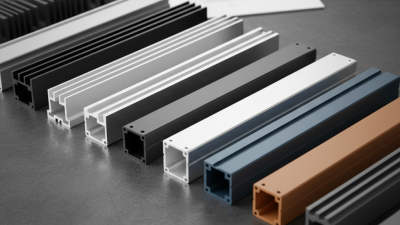
design and customization are crucial. The versatility of aluminum profiles allows for
various shapes and sizes. These profiles can adapt to specific functional needs. Customizing the
enclosure includes adding cutouts, holes, and mounting points. These features help optimize
space and improve accessibility. The right design enhances both functionality and aesthetics.
Consider the intended use of the enclosure. Does it need ventilation or insulation?
Design options may include smooth or textured finishes. Color choices
can also impact the overall look. Customers often undervalue how these details affect their project.
A well-designed enclosure can prevent future issues, such as overheating or user error.
Customization is not just about appearance; it ensures usability. Engaging with manufacturers
early in the design process can lead to better outcomes. However, the more options available,
the harder the decision-making becomes. It’s important to strike a balance
between functionality and complexity. Reflecting on past experiences can provide insights for
future projects, informing better choices for extruded aluminum enclosures.
Evaluating Cost and Quality in Aluminum Enclosure Selection
When selecting aluminum enclosures, cost and quality are crucial factors. Industry reports indicate that the aluminum extrusion market is projected to reach $160 billion by 2026, emphasizing the growing demand for high-quality enclosures. Understanding your specific needs can help you navigate this market effectively.
Quality usually correlates with price. A low-cost enclosure may compromise durability, leading to higher long-term costs. According to a study by the Aluminum Association, well-made enclosures can last over 20 years, while cheaper alternatives may fail within five. It’s essential to assess whether immediate savings outweigh potential future costs.
Tips:
- Consider the intended environment for your enclosure. Extreme temperatures or humidity may require specialized materials.
- Always request certification or testing reports. Reliable manufacturers should provide evidence of quality control measures.
- Evaluate the finish and fabrication methods of the enclosure. These affect performance and appearance over time.
While balancing cost and quality, reflect on your long-term goals. The right profile should not just fit a budget but also ensure product
longevity and
reliability.






 wechat