How to Choose the Right Extruded Aluminum Profiles for Your Project?
When embarking on a project involving Extruded Aluminum Profiles, making the right choice is crucial. Thomas Anderson, a leading expert in aluminum engineering, once stated, "Choosing the right profile can make or break your project." His words emphasize the importance of this decision.
Extruded Aluminum Profiles come in various shapes and sizes. Each serves unique purposes across industries. For instance, construction, automotive, and aerospace sectors utilize them differently. Understanding the specific needs of your project is key. The choices can seem overwhelming at first, but a focused approach will yield the best results.
It's important to consider factors like weight, strength, and corrosion resistance. A well-chosen profile enhances the durability of your project. Conversely, a poor choice can lead to higher costs and delays. A balance between aesthetics and functionality should also be sought after. Thus, taking the time to evaluate all options will ultimately benefit your project in the long run.
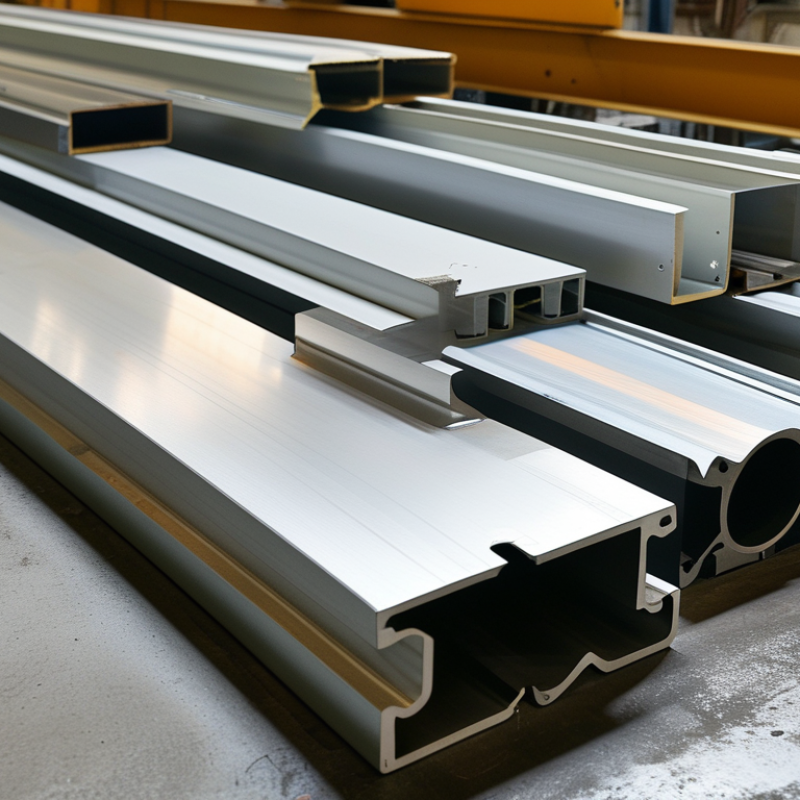
Understanding the Basics of Extruded Aluminum Profiles in Manufacturing
Understanding extruded aluminum profiles is essential in modern manufacturing. These profiles are created by forcing aluminum through a die to shape it. This process offers outstanding strength-to-weight ratios. Industry reports indicate that the global aluminum extrusion market is projected to reach $60 billion by 2025, highlighting its significance.
Aluminum profiles are versatile and can be used in various applications. They provide excellent corrosion resistance and can withstand harsh environments. According to a recent study, over 40% of manufacturers chose aluminum due to its recyclability. However, not all profiles are suitable for every project, and selecting the wrong type can lead to structural issues.
Moreover, the design phase is critical. Simple mistakes in dimensions or finishes can become costly. The right profile should enhance functionality and aesthetic appeal. Balancing cost and quality is challenging. Engaging with experienced manufacturers may help clarify these options. Ultimately, the right choice can streamline assembly and improve the overall performance of the final product.
Key Factors to Consider When Selecting Extruded Aluminum Profiles
When selecting extruded aluminum profiles, several key factors must be considered. Start with the intended application.
Profiles used for structural support require different specifications than those meant for aesthetic purposes.
Consider the environmental conditions. Corrosion resistance is vital for outdoor use.
Examine how the profile will be manufactured or joined. The chosen profile must be compatible with available techniques.
Cost is another significant factor. A more complex design may lead to higher fabrication and material costs.
Be mindful of weight as well. Lightweight profiles may save on shipping fees but could compromise strength.
Explore the finish options available too. Anodizing or powder coating can enhance both appearance and durability.
Finally, it is crucial to consult with experienced professionals. Their insights can help avoid common pitfalls.
Mistakes in selection often lead to project delays. Always be willing to reassess initial decisions.
This reflective practice can foster better outcomes and enhance project success.
Evaluating Strength, Weight, and Durability in Aluminum Profile Choices
Selecting the right extruded aluminum profiles demands careful consideration of strength, weight, and durability. Understanding these factors can significantly enhance project outcomes. The tensile strength of aluminum profiles can reach about 70 MPa to 700 MPa, contingent on the alloy used, which profoundly affects their intended application. An ideal balance between strength and weight is vital to avoid excessive costs and structural failures.
Weight matters too. Aluminum is known for being lightweight. Yet, specific applications may require heavier profiles for added stability. A study from the Aluminum Association noted that for weight-sensitive designs, selecting low-density alloys could reduce overall project weight by 30%. However, this might compromise strength, particularly under extreme loads.
Durability is a critical concern. Aluminum is corrosion-resistant; however, different alloys offer varying levels of resistance. For example, 6061 and 6063 alloys are popular for their durability and ease of machining. Ensuring the selected profiles can withstand environmental conditions is crucial to project longevity. Not all choices lead to optimal outcomes, leading to potential pitfalls in design and functionality. Understanding how these interrelated factors play a role is essential for making informed decisions.
How to Choose the Right Extruded Aluminum Profiles for Your Project?
| Profile Type |
Material Strength (MPa) |
Weight (kg/m) |
Corrosion Resistance |
Typical Applications |
| Standard T-slot |
200 |
3.5 |
Moderate |
Automation, Frames |
| Heavy-duty Rectangle |
250 |
5.8 |
High |
Machinery, Supports |
| Anodized Thin Wall |
160 |
2.2 |
Very High |
Lightweight Structures, Electronics |
| Round Tube |
180 |
4.0 |
Moderate |
Railings, Furniture |
| Square Tube |
200 |
6.3 |
High |
Framework, Construction |
Importance of Surface Finishing Options for Aluminum Extrusions
When selecting extruded aluminum profiles, surface finishing options are crucial. The right finish affects aesthetics and durability.
Anodizing enhances corrosion resistance and adds color. It’s ideal for outdoor applications.
However, anodizing can limit the color range.
Powder coating offers a wide palette. It provides a hard, protective layer. Yet, it may not be as durable as anodizing in extreme conditions.
Additionally, surface finishes can impact cost and lead time. Some finishes require lengthy processes. This may delay project timelines.
Clear finishes, like lacquering, require careful application. They can enhance the aluminum's natural appearance.
However, they may need reapplication over time. Evaluating the pros and cons is essential in choosing a finish.
Each finishing option presents trade-offs. Understanding specific project needs informs the best choice. Aesthetic appeal matters, but performance cannot be overlooked.
Evaluate long-term maintenance and use conditions. Ultimately, the surface finish selected can elevate the entire project.
The right decision reflects both form and function.
Cost Analysis: Budgeting for Extruded Aluminum Profiles in Your Project
When planning a project with extruded aluminum profiles, budgeting is crucial. These profiles can vary significantly in cost, influenced by factors like design, size, and quantity. The basic materials are relatively inexpensive, but complex designs or custom profiles may require more investment. It's essential to analyze your project's specific needs and choose wisely.
Consider the long-term value of your investment. While some profiles may cost less upfront, they might not offer the same durability or finish quality. A higher initial expenditure for durable profiles can save costs over time through reduced maintenance. Be wary of underestimating the total expenses; logistical costs and installation should also be part of your budget.
Additionally, labor costs can impact your overall budget. Experienced professionals may charge more, but their expertise ensures a better outcome. Involve them early in the planning to finalized costs efficiently. Reflecting on your choices ensures that the project meets both aesthetic and functional requirements without excessive spending. Balancing cost and quality often involves trade-offs; weigh your options carefully.
Cost Analysis of Extruded Aluminum Profiles








 wechat