How to Choose the Best Aluminum Extrusion for Your Needs?
Choosing the right Aluminum Extrusion for your needs can be daunting. This industry plays a vital role in various sectors, including construction, automotive, and aerospace. In fact, the global aluminum extrusion market is projected to grow to over $60 billion by 2026, according to recent industry reports. This trend highlights the importance of making informed choices.
Understanding the types and applications of Aluminum Extrusions is crucial. They come in various shapes and sizes, each designed for specific functions. For example, structural frames require different specifications than architectural applications. A common mistake is assuming one type fits all. Such oversights can lead to inefficiencies and increased costs.
Expertise in Aluminum Extrusions also involves considering factors like strength, weight, and corrosion resistance. Different alloy compositions yield varying properties, making it essential to know your project's requirements. Relying solely on price can compromise quality. Reflect on how the right choices can enhance product durability and performance.

Understanding Different Types of Aluminum Extrusions Available in the Market
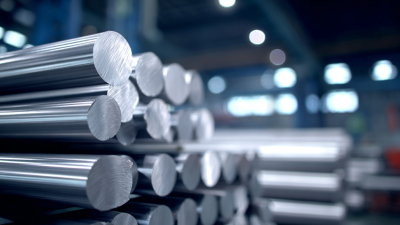
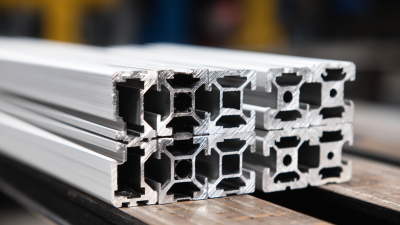
When selecting aluminum extrusions, it's essential to understand the different types available. Common forms include structural shapes, sheets, and rods. Each type serves unique purposes in various applications, from construction to manufacturing. Structural shapes often offer high strength, making them suitable for load-bearing projects. In contrast, sheets are versatile and can be used for decorative panels or lightweight covers.
Consider specific characteristics when choosing your extrusion. Look at the alloy grade and tolerance levels. Some applications may require anodized finishes for corrosion resistance. Others might benefit from specific shapes that optimize airflow or aesthetics. Understanding these details can prevent issues down the line.
Tips: Always assess the environmental conditions your extrusion will face. High humidity or corrosive environments can affect material longevity. In addition, remember the importance of clear specifications. Ambiguities in dimensions or intended use can lead to costly mistakes. Finally, don't hesitate to seek expert advice when in doubt. Consulting with professionals can help clarify complex decisions.
Evaluating the Importance of Alloy Selection in Aluminum Extrusion Projects
When it comes to aluminum extrusion projects, the selection of the right alloy is crucial. Different alloys possess varying properties that can significantly affect performance and durability. According to a report by the Aluminum Association, selecting an alloy with appropriate strength and corrosion resistance can enhance the lifespan of the product by up to 25%. Alloys like 6061 and 6063 are popular due to their excellent workability and mechanical properties.
Tip: Prioritize your project's specific requirements when selecting an alloy. Consider factors such as weight, strength, and environmental conditions. Not all alloys suit all applications, and sometimes you may struggle with unexpected failures.
In industry reports, it’s noted that improper alloy selection often results in costly rework or failures. About 30% of projects face delays because of material miscalculations. Understanding the properties and heat treatment options of each alloy can save time and resources.
Tip: Collaborate with material experts early in the design phase. Their insights can lead to better decision-making and optimal alloy selection. Remember, a rushed choice may lead to subpar performance in the final product.
Aluminum Alloy Selection for Extrusion Projects
Key Factors to Consider for Dimension and Tolerance in Aluminum Extrusions
When selecting aluminum extrusions, dimension and tolerance are crucial factors. Each application has its own requirements. Even minor discrepancies can lead to significant issues in performance and safety. For example, a slight deviation in wall thickness might compromise strength. Precision is non-negotiable in many industries, such as aerospace and automotive.
Understanding the metrics behind dimensions and tolerances is vital. Manufacturers often provide tolerance ranges, but these can vary based on the extrusion profile and material properties. Thoroughly examining these details helps in making informed choices. Each component should match your project specifications carefully. Consider how temperature fluctuations and environmental conditions may affect performance as well.
It’s essential to reflect on your unique needs. Are you prioritizing weight reduction, structural integrity, or cost-effectiveness? Each choice impacts the final product. Additionally, it’s wise to engage with specialists who can offer insights tailored to your specific application. Avoid assumptions; ask questions and seek clarity. A well-informed decision often leads to superior outcomes in aluminum extrusion applications.
Analyzing Surface Finishing Options for Corrosion Resistance in Extrusions
When selecting aluminum extrusions, surface finishing is a critical factor for durability. Corrosion resistance must match the specific environment. This ensures longevity and performance in various applications. Aluminum surfaces can undergo different treatments that enhance their protective elements.
Anodizing is a popular choice. This process thickens the natural oxide layer, providing excellent protection. It also allows for various color finishes. However, anodized surfaces can wear over time, leading to potential vulnerability. Another option is powder coating, which adds a robust color finish while being resistant to chipping and fading. Yet, it can be less effective in harsh chemical environments.
Consider the end-use of the extrusion. Exposure to saltwater or industrial chemicals may require specialized finishes. Some treatments, like chromate conversion, offer decent corrosion protection but may not be as aesthetically pleasing. Therefore, it's essential to balance the desired look with functional needs. Ultimately, understanding the specific requirements will aid in selecting the ideal aluminum extrusion and its finishing process.
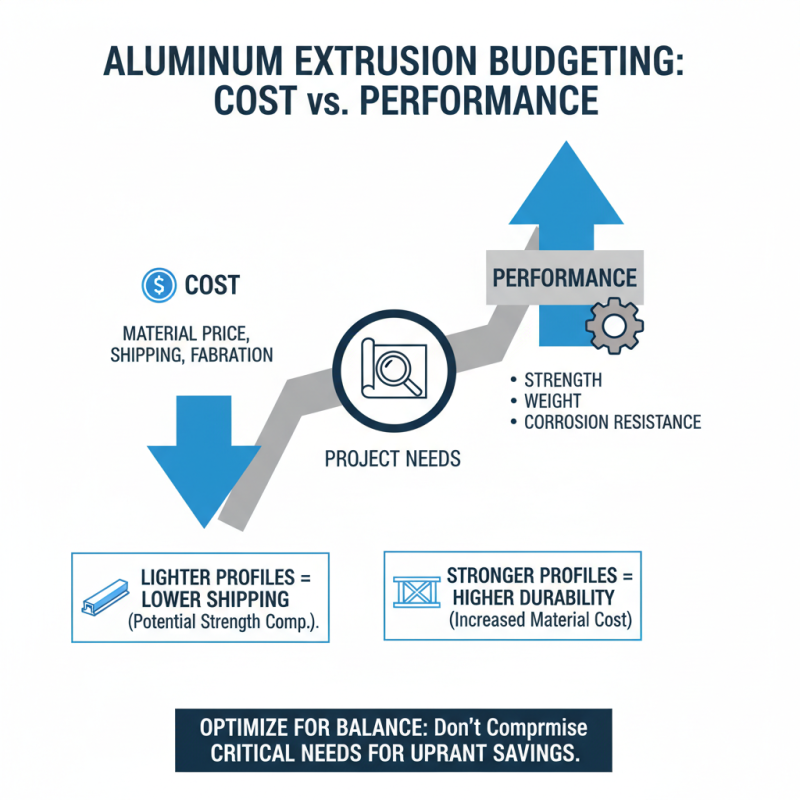
Assessing Cost vs. Performance: Budgeting for Aluminum Extrusion Needs
When assessing cost versus performance in aluminum extrusion, understanding your project's specific needs is crucial. The material's strength, weight, and corrosion resistance can greatly impact your final choice. For instance, lighter profiles might reduce shipping costs but could compromise structural integrity in some applications.
Budgeting plays a significant role in the decision-making process. Low-cost options may seem attractive initially, but they might not offer the best long-term value. Investing in higher-quality aluminum extrusions can lead to greater durability and lower maintenance costs. Always consider the total lifecycle cost rather than just the initial purchase price.
Furthermore, it's wise to evaluate vendor reliability and their ability to meet your deadlines. Some companies promise low prices but may sacrifice quality. Gathering samples and comparing the attributes of different extrusions can help you make a more informed decision. Reflecting on past experiences with material choices can also highlight areas for improvement in your selection process.







 wechat