Top 10 Architectural Aluminum Profiles for Your Next Project?
Architectural Aluminum Profiles play a crucial role in modern construction. They are known for their versatility and strength, making them a favorite among architects and builders. These profiles can create striking designs while ensuring structural integrity.
Selecting the right profile can be challenging. Each project has unique requirements. Understanding the specific qualities of different aluminum profiles is essential. You need to consider factors such as weight, durability, and finish. It often requires expertise to make the best choice. There is no one-size-fits-all solution, and factors like location and climate must be considered.
In this article, we present the top 10 Architectural Aluminum Profiles for your next project. Each profile has been chosen based on its performance, aesthetic appeal, and adaptability. Whether you're working on residential or commercial structures, this guide aims to help you choose wisely. Your project deserves the best, and the right aluminum profile can make a significant difference.
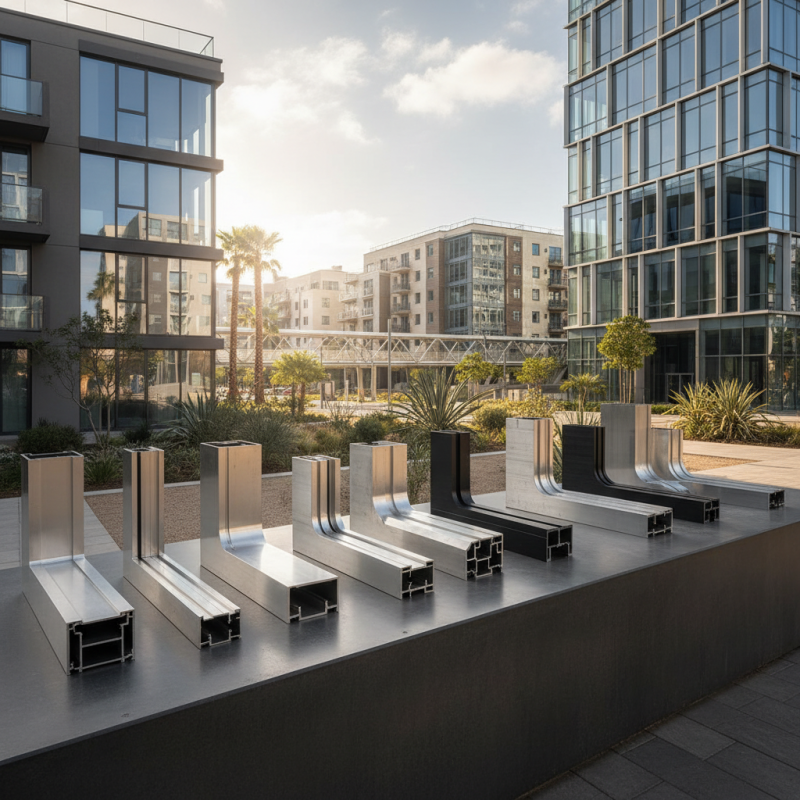
Understanding Architectural Aluminum Profiles and Their Importance
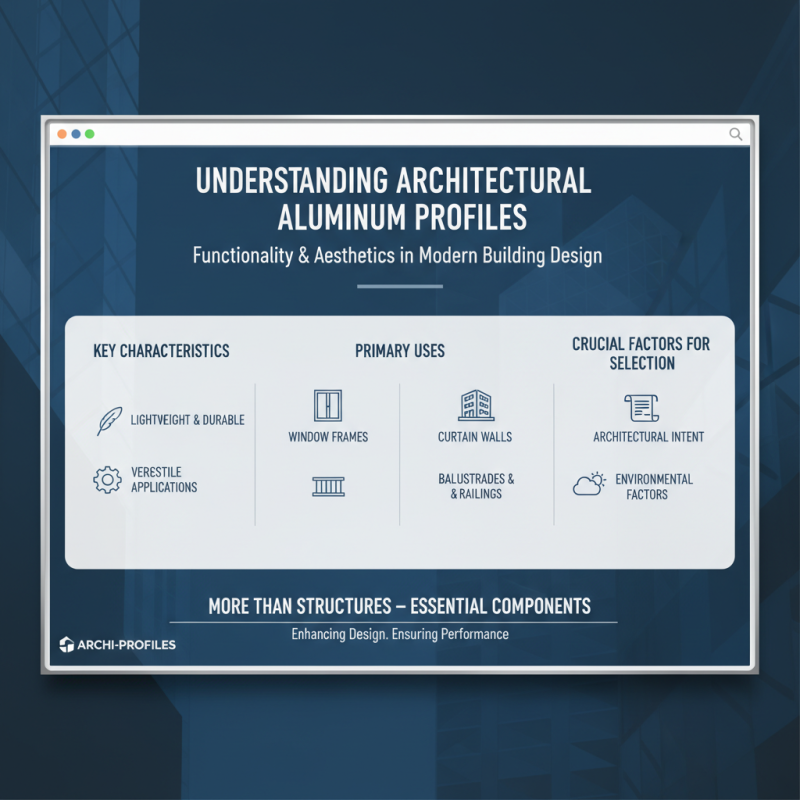
Architectural aluminum profiles play a crucial role in modern building design. These profiles are not just structures; they are essential components that offer both functionality and aesthetics. Their lightweight nature makes them ideal for various applications, from window frames to curtain walls. However, selecting the right profile requires a keen understanding of the architectural intent and environmental factors.
The importance of aluminum profiles lies in their versatility. They can be shaped to meet specific design requirements, allowing for creative freedom. However, one must be cautious of possible limitations in thermal insulation or structural integrity. The choice of alloy and finish can significantly affect their performance. Thus, involving professionals in the selection process is vital.
Architectural aluminum profiles also contribute to sustainability. They are often recyclable and can reduce the overall carbon footprint of a project. Still, it's essential to consider the entire lifecycle. Questions about maintenance and longevity should guide decisions. Reflecting on these aspects ensures that the chosen profiles align with both the project's vision and the environmental goals.
Key Characteristics of High-Quality Architectural Aluminum Profiles
Selecting high-quality architectural aluminum profiles is crucial for any construction project. These profiles offer durability, aesthetic appeal, and versatility. Understanding their key characteristics ensures maximum performance and compliance with industry standards. According to the Aluminum Association, aluminum construction accounts for nearly 25% of total building materials due to its strong properties.
One significant aspect is the alloy composition. High-quality profiles often use 6000 series alloys. These alloys exhibit excellent corrosion resistance and formability. Furthermore, profiles should have a uniform surface finish. A smooth finish enhances both appearance and longevity. The American Architectural Manufacturers Association rated surface finishes based on longevity and maintenance, highlighting the importance of this feature.
Another critical characteristic is thermal performance. Architectural profiles should minimize heat transfer. The National Institute of Standards and Technology emphasizes thermal breaks in aluminum profiles to improve energy efficiency. Additionally, profiles need sound insulation properties to enhance comfort in residential and commercial buildings. However, achieving perfect thermal performance can sometimes be challenging, especially in extreme weather conditions, indicating the need for continuous refinement in design and material selection.
Top 10 Architectural Aluminum Profiles for Your Next Project
| Profile Type |
Key Characteristics |
Common Applications |
Finish Options |
Strength (MPa) |
| Standard Extrusion |
Versatile, lightweight, corrosion-resistant |
Windows, doors, curtain walls |
Anodized, powder-coated |
200-300 |
| Heavy-Duty Profile |
High strength and durability |
Structural applications |
Brushed, painted |
300-400 |
| Thermal Break Profile |
Improved insulation, energy-efficient |
Energy-efficient windows, doors |
Anodized, color-coated |
200-300 |
| Architectural Cladding |
Aesthetic appeal, weather-resistant |
Facade systems |
Painted, textured |
200-350 |
| Perforated Profile |
Lightweight, design versatility |
Screens, partitions |
Anodized, powder-coated |
150-250 |
| Square Tube Profile |
Strength and stability |
Framework, brackets |
Brushed, anodized |
200-300 |
| Channel Profile |
Sturdy, enhanced load-bearing |
Support structures |
Anodized, painted |
250-350 |
| Angled Profile |
Flexible, corner applications |
Framing, edging |
Powder-coated, anodized |
180-280 |
| Z-Profile |
Unique shape, strong performance |
Roofing, cladding |
Anodized, painted |
250-400 |
| Architectural Angle |
Beautiful finish, versatile design |
Decorative trims, supports |
Polished, coated |
200-300 |
Top 10 Recommended Architectural Aluminum Profiles for Various Applications
When selecting architectural aluminum profiles, understanding your project's needs is crucial. Various applications require specific attributes, such as strength, weight, and corrosion resistance. Aluminum profiles are favored for their versatility and aesthetic appeal. It's essential to choose the right profile type for your design purpose.
For instance, curtain wall systems benefit from thin yet sturdy aluminum frames. They provide a sleek appearance while ensuring structural integrity. Other profiles, like those used in window systems, need good thermal performance. Selecting the ideal profile can elevate your project’s aesthetics and functionality.
Tips: Always consider the environmental conditions your project will face. Coastal areas may require more resistant profiles due to corrosion risks. Additionally, evaluate energy efficiency aspects. Proper insulation in aluminum profiles can significantly lower energy costs over time. Remember, your choice impacts not just the visual outcome but also sustainability.
Top 10 Architectural Aluminum Profiles for Your Next Project
Comparing Functional and Aesthetic Aspects of Aluminum Profiles
When considering architectural aluminum profiles, functional and aesthetic aspects play vital roles. Functional design often focuses on structural integrity. These profiles need to support weight and withstand environmental stress. They should also allow easy installation and maintenance. Some designs provide excellent thermal insulation. This efficiency can reduce energy costs significantly.
Aesthetic qualities cannot be overlooked. Aluminum profiles come in various finishes and colors. This versatility allows architects to unleash their creativity. They can complement different building styles, from modern to traditional. However, not all aluminum finishes are durable. Some may fade or scratch over time. Designers must carefully choose profiles that align with their vision and the project’s context.
Ultimately, combining functionality with aesthetics is essential. Balancing the two can be challenging. Some designs may excel in one aspect but fall short in another. Reflecting on past choices is crucial. Learning from experience helps to refine future selections. The right architectural aluminum profile can enhance a project's value and appeal.
Installation and Maintenance Tips for Architectural Aluminum Profiles
When working with architectural aluminum profiles, installation and maintenance are crucial for durability. Research from the Aluminum Association indicates that proper installation can increase the lifespan of these profiles by up to 30%. This means a careful approach is necessary. Ensure that profiles are aligned correctly and securely fastened. Over-tightening can lead to deformation, which compromises integrity.
Routine maintenance is equally vital. Regular inspections should focus on the surface for signs of corrosion or wear. A study published in the Journal of Architectural Engineering found that 25% of aluminum structures experienced premature deterioration due to inadequate maintenance practices. Simple tasks like cleaning with mild detergents can significantly extend the life of aluminum profiles. Neglecting this step can lead to substantial repair costs in the long run.
Thermal expansion is another consideration. Aluminum can expand and contract with temperature changes. Designers should account for this in their installation plans. Effective expansion joints can prevent stress and potential failure. Ignoring this can result in costly structural issues, requiring extensive repairs and adjustments.







 wechat