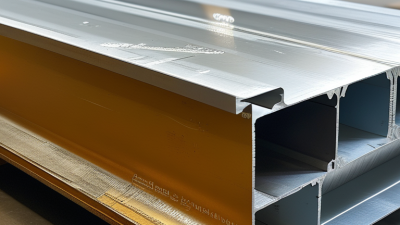
Choosing a China Top Anodized Aluminum Profiles Supplier requires more than comparing prices or browsing polished product photos. The right partner should demonstrate practical extrusion experience, stable anodizing control, and clear quality records. This article explores how buyers can evaluate suppliers for construction, furniture, automotive, and industrial applications. It considers alloy options, profile tolerances, surface finishes, packaging, production capacity, and export support.
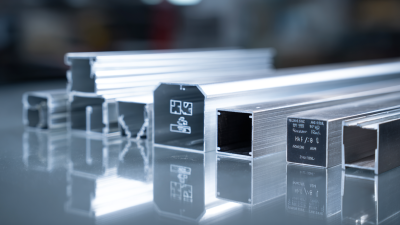
Reliable suppliers usually explain their process in specific terms. They can discuss billet quality, die design, extrusion temperature, anodizing thickness, color consistency, and protective film selection. Samples should show clean edges, even color, and a surface without visible scratches or cloudy patches. Test reports, inspection photos, and traceable batch information add confidence. Certifications matter, but they should support real production evidence rather than replace it.
Details reveal experience.
A professional supplier also asks useful questions about drawings, load requirements, installation conditions, and expected service life. This helps prevent unsuitable material choices and expensive revisions. However, no supplier is perfect. Even experienced factories may face color variation between batches, delayed tooling adjustments, or communication gaps during complex projects. Honest discussions about these risks are valuable. Buyers should review corrective actions, response times, and after-sales responsibility before signing an agreement.
The best China Top Anodized Aluminum Profiles Supplier is not always the cheapest option. It is the partner that combines engineering ability, consistent production, transparent communication, and dependable delivery. Careful verification remains essential. That small step can protect both product performance and long-term business relationships.
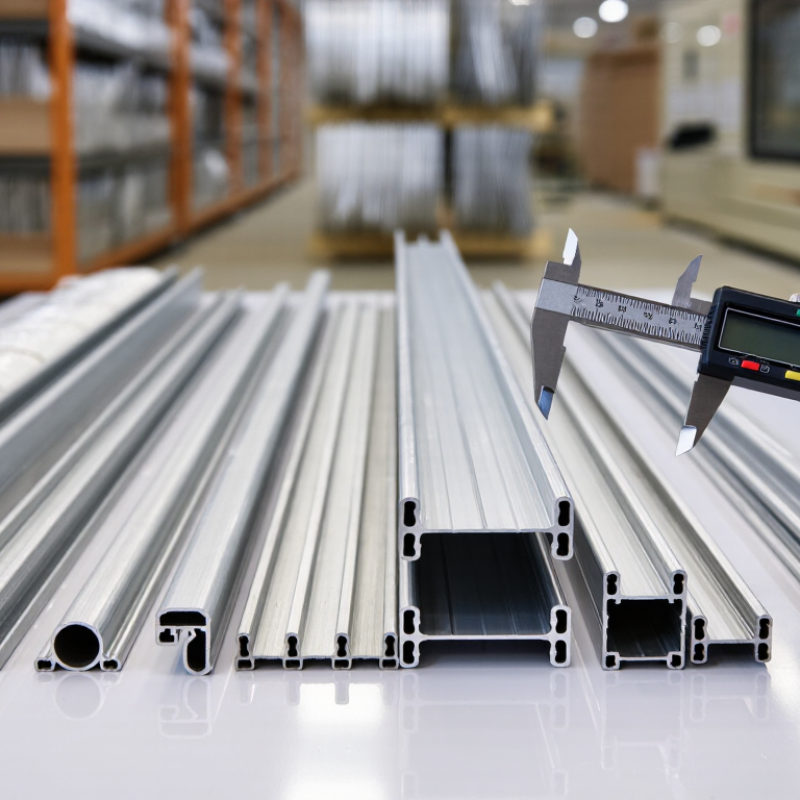
A top supplier begins with controlled extrusion, not attractive catalog images. The team should understand alloy selection, die design, wall thickness, and dimensional tolerance. For architectural profiles, 6063 aluminum often offers a clean surface and reliable anodizing performance. However, the correct alloy depends on strength, finish, and application requirements. Ask for inspection records. Ask for evidence.
An experienced supplier can explain every stage from billet heating to anodizing and sealing. Their workshop should monitor bath temperature, current density, coating thickness, and color consistency. Sample profiles should show uniform edges, smooth surfaces, and no visible burns or streaks. A professional supplier also uses calibrated tools for hardness, thickness, and dimensional checks. Details matter. Traceability matters more.
Reliability appears in ordinary documents and practical behavior. The supplier should provide material certificates, process standards, packing photos, and clear reports for each batch. They should discuss realistic lead times instead of promising everything immediately. No supplier is perfect. Even experienced teams may face shade variation between production lots. What matters is whether they disclose risks, keep comparison samples, and correct the process. A factory visit, small trial order, and independent inspection can reveal more than polished sales language.
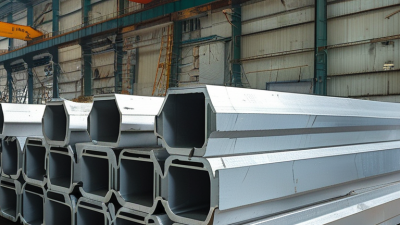
Anodizing converts aluminum’s surface into a controlled oxide layer. Sulfuric acid anodizing remains common for architectural profiles. Hard anodizing creates thicker, denser coatings for wear-resistant components. Electrolytic coloring adds bronze, black, or champagne tones after anodic treatment.
AAMA 611-22 specifies minimum average coating thicknesses of 18 microns for Class I and 10 microns for Class II architectural finishes. Thickness alone is not enough. Pretreatment, current density, bath temperature, and sealing quality also affect appearance and durability. Small process changes can produce visible shade differences. This is where supplier experience matters.
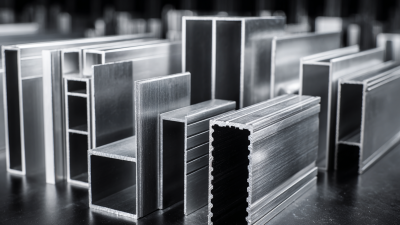
Popular product types include curtain-wall sections, doors, windows, solar frames, heat sinks, and industrial rails. Architectural profiles often require consistent color across long extrusion lengths.
Heat sinks need clean surfaces and controlled tolerances, rather than decorative finishes. A 2024 Grand View Research assessment estimated steady growth in the global aluminum anodizing market, supported by construction, transport, and electronics demand.
Yet market forecasts are not production evidence. Buyers should request coating records, alloy certificates, dimensional reports, and sample panels.
One detail is easy to miss.
Profile design affects anodizing quality. Deep grooves can trap chemicals, while sharp corners may show uneven color. Trial extrusion and rack-position testing reduce these risks, although they add time. A reliable supplier should explain these limits clearly, not promise perfect matching without qualification.
China Top Anodized Aluminum Profiles Supplier?
A reliable supplier proves quality through records, not attractive samples. Ask for alloy certificates, extrusion tolerance reports, and anodizing thickness results. Common references include GB/T 5237, EN 755, EN 12020, and ASTM B221. Requirements still depend on your market and application. A factory claiming ISO 9001 should provide a current, verifiable certificate. Environmental controls may also follow ISO 14001. Check the certificate scope carefully.
Manufacturing capability matters on the production floor. Look for spectrometers, extrusion presses, aging furnaces, and controlled anodizing tanks. Inspectors should measure color, surface defects, coating thickness, and profile dimensions. A supplier with in-house tooling can reduce communication errors. Batch traceability is essential. It links billets, dies, process settings, and inspection results. In supplier audits, I have found polished samples can hide inconsistent corners or weak packaging. That is not a minor issue.
Tips: Request a trial order before signing a large contract. Compare three pieces from different production batches. Ask for coating thickness at several profile locations, not one convenient point. Confirm how rejected material is handled. Factory visits reveal more than brochures. Still, one visit cannot prove long-term consistency. Require corrective-action reports when results miss specifications, and review them honestly. Mistakes happen. Unreported mistakes are the real warning.
China Top Anodized Aluminum Profiles Supplier?
Choosing an anodized aluminum profile supplier requires more than comparing catalog photos. Request alloy certificates, coating thickness records, dimensional inspection reports, and recent production samples. Check whether the sample matches the stated tolerance. It often does not. Ask for evidence. A reliable supplier should explain testing methods clearly and identify who performs each inspection. Look for stable process control, not polished promises.
Pricing should include tooling, sampling, anodizing, packaging, inland transport, and export costs. A low quote may exclude important items. That assumption is risky. Compare equal specifications, including alloy grade, profile weight, finish, color range, and acceptable surface marks. Ask how price changes with order volume. Confirm payment stages and quotation validity in writing. This reduces surprises during approval.
Lead time depends on die preparation, material availability, extrusion capacity, anodizing schedules, and inspection queues. Request a production timeline with milestone dates. Ask about backup capacity during busy periods. For custom services, provide drawings with dimensions, tolerances, finish requirements, cut lengths, drilling details, and packaging instructions. A professional supplier should review unclear points before production. Approve a physical sample before mass manufacturing. Keep one reference sample for future comparisons. Even careful plans can fail when drawings are incomplete. That is why practical communication matters more than fast replies. Reliable suppliers report delays early and propose measurable corrections.
| Evaluation Dimension | Typical Market Reference | What a Qualified Supplier Should Provide | Buyer Verification Point |
|---|---|---|---|
| Common Aluminum Alloys | 6063 is widely used for architectural and decorative profiles; 6061 is commonly selected for higher-strength applications. | Material certificates showing alloy composition and temper, such as T5 or T6, with traceable batch numbers. | Confirm the alloy and temper on the purchase order, inspection report, and product marking. |
| Profile Length | Standard commercial lengths are often around 5.8–6.0 m; custom cutting is normally available. | Extrusion, cutting, deburring, and packaging capabilities for the required finished length. | Check allowable length tolerance, cut accuracy, bundle length, and container-loading limitations. |
| Wall Thickness | Many architectural profiles use approximately 1.0–3.0 mm walls; structural designs may require more. | Technical review of the cross-section, minimum wall thickness, weight per meter, and extrusion feasibility. | Request a die-flow review before production to reduce distortion, streaks, and uneven filling. |
| Anodizing Thickness | Decorative anodizing is commonly specified around 8–15 μm; heavier architectural finishes may be specified at 15 μm or above. | Controlled pretreatment, anodizing records, color samples, and coating-thickness inspection results. | Define the required coating class, minimum local thickness, color tolerance, and surface acceptance standard. |
| Available Anodized Finishes | Common options include natural silver, champagne, bronze, black, and electrolytic coloring; brushed and satin textures may also be available. | Physical color panels or approved samples, consistent surface preparation, and batch-to-batch color controls. | Approve a control sample and specify viewing conditions, gloss level, texture, and acceptable color variation. |
| Tooling and Die Cost | A simple custom extrusion die may cost approximately USD 500–2,000; complex or large-section dies can cost more. | A written quotation showing die design, die ownership, revisions, maintenance, and replacement terms. | Clarify whether the die fee is refundable or credited after a specified order quantity. |
| Indicative Material Pricing | Standard anodized profiles are often quoted by weight, commonly around USD 3.00–6.00 per kg before freight, depending on alloy, quantity, finish, and market conditions. | A transparent breakdown covering aluminum index basis, conversion cost, anodizing, packaging, tooling, and logistics. | Confirm quotation validity, metal-price adjustment formula, currency, Incoterm, and whether taxes are included. |
| Minimum Order Quantity | A custom profile order may require approximately 300–1,000 kg per die or per finish, although trial quantities can sometimes be negotiated. | Clear MOQ rules for each profile, alloy, color, surface finish, and shipment. | Ask whether different lengths or colors can be consolidated under one production order. |
| Sample and Prototype Lead Time | Approximately 7–15 working days after drawing approval is a common planning range for die production and initial samples. | A sample schedule covering drawing review, die completion, extrusion, anodizing, inspection, and dispatch. | Confirm whether the stated time is calendar days or working days and identify approval milestones. |
| Mass-Production Lead Time | Approximately 20–40 working days after sample approval is a practical planning range for many custom orders. | A production plan with capacity confirmation, raw-material availability, finishing schedule, inspection, and packing dates. | Check whether lead time begins after deposit, final drawing approval, or raw-material confirmation. |
| Dimensional Tolerance | Tolerance depends on section geometry and applicable standards; commonly controlled dimensions may be specified to approximately ±0.15–0.30 mm. | Inspection equipment, measurement procedures, and a quality plan linked to the approved drawing. | Specify the governing extrusion standard and identify critical-to-function dimensions separately. |
| Quality Documentation | Typical documentation includes material certificates, dimensional inspection reports, coating-thickness records, and packing lists. | Pre-shipment inspection records, lot traceability, nonconformance procedures, and corrective-action reporting. | Agree on document format, sampling level, retention period, and release conditions before production. |
| Custom Services | Common services include CAD drawing review, die design, extrusion, CNC cutting, drilling, punching, tapping, deburring, anodizing, assembly, and labeling. | A single coordinated process with documented responsibility for design changes and subcontracted operations. | Verify process capability using samples, inspection reports, and clear change-control procedures. |
| Packaging and Export Handling | Profiles are commonly protected with individual wrapping, foam or paper separation, bundles, and reinforced export cartons or pallets. | Moisture protection, surface protection, bundle identification, loading photos, and packaging suitable for long-distance transport. | Approve packaging specifications and confirm maximum bundle weight, labeling, and container utilization. |
| Supplier Selection Score | A balanced evaluation can assign 25% to quality, 20% to total cost, 20% to delivery reliability, 15% to technical capability, 10% to communication, and 10% to documentation. | Evidence-based responses rather than quotations alone, including samples, audits, references without undisclosed brand claims, and corrective-action history. | Use the same request-for-quotation template and weighted scorecard for every candidate supplier. |
Note: Price, MOQ, and lead-time figures are indicative planning ranges for international procurement. Actual values vary with aluminum market prices, profile complexity, order volume, anodizing requirements, destination, and shipping terms.
Anodized aluminum profiles serve windows, doors, curtain walls, solar frames, furniture, and industrial equipment. Their hard oxide layer improves surface durability and supports consistent appearance in demanding environments. For coastal projects, buyers should request suitable anodizing thickness and corrosion testing. Indoor furniture may need less protection, but visible color quality still matters.
In my sourcing experience, alloy choice often determines machining results. Aluminum 6063 usually offers smooth extrusion surfaces and attractive architectural finishes. Aluminum 6061 can provide greater strength for structural or industrial components. Ask for the alloy, temper, dimensional tolerances, and profile drawings before approving production. Small errors become expensive during assembly.
Surface details deserve close inspection. Request physical samples showing color, gloss, film thickness, and edge quality. A reliable supplier should provide inspection records, batch traceability, packaging details, and clear responses about defects. Check production capacity, tooling ownership, minimum order quantities, and delivery schedules. Independent testing may support claims about corrosion resistance and coating performance.
A low quotation can hide thin anodizing, unstable color, or weak packaging. I have seen attractive samples fail after long-distance transport because corners lacked protection. That experience changed my checklist: test the complete supply chain, not only the profile. Environmental and product requirements also vary by destination, so buyers should confirm applicable documentation with local experts. Perfect consistency is difficult, especially across large batches. Allow reasonable tolerances, but define them before signing.