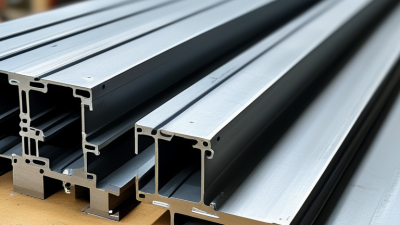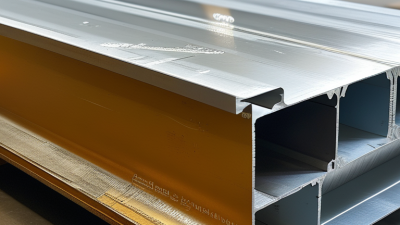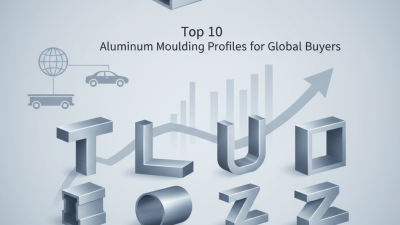
For global buyers, material choice affects far more than a product’s appearance. Aluminum Construction Profiles can support frames, partitions, machine guards, solar structures, and modular workspaces. Their light weight reduces handling effort, while their corrosion resistance helps products endure humid warehouses, coastal air, and changing temperatures. This practical balance makes aluminum a serious option for international projects.
Experienced buyers look beyond a polished sample. They check alloy selection, extrusion tolerances, surface treatment, packaging, and repeatable production quality. A 6063-T5 profile may suit architectural framing, but a heavier-duty application could require another specification. Anodizing can create a durable finish, yet color differences may appear between production batches. These details matter.
Not every supplier performs equally well. A low quotation may hide weak inspection procedures, inconsistent wall thickness, or insufficient protection during sea freight. We have seen profiles arrive with scratches because separators were too thin. That mistake is avoidable, but only when packaging is reviewed before production. Factory audits, material certificates, dimensional reports, and sample approvals provide stronger evidence than marketing claims alone. Still, documents should be checked against actual goods.
Global purchasing also requires clear communication. Buyers should confirm drawings, tolerances, finish standards, cut lengths, labeling, and delivery terms in writing. Small misunderstandings can delay an entire installation. Aluminum Construction Profiles are reliable, but they are not automatically perfect. Their value depends on engineering judgment, supplier discipline, and careful quality control. A responsible sourcing decision weighs price, performance, service life, and the risks that a spreadsheet may overlook.
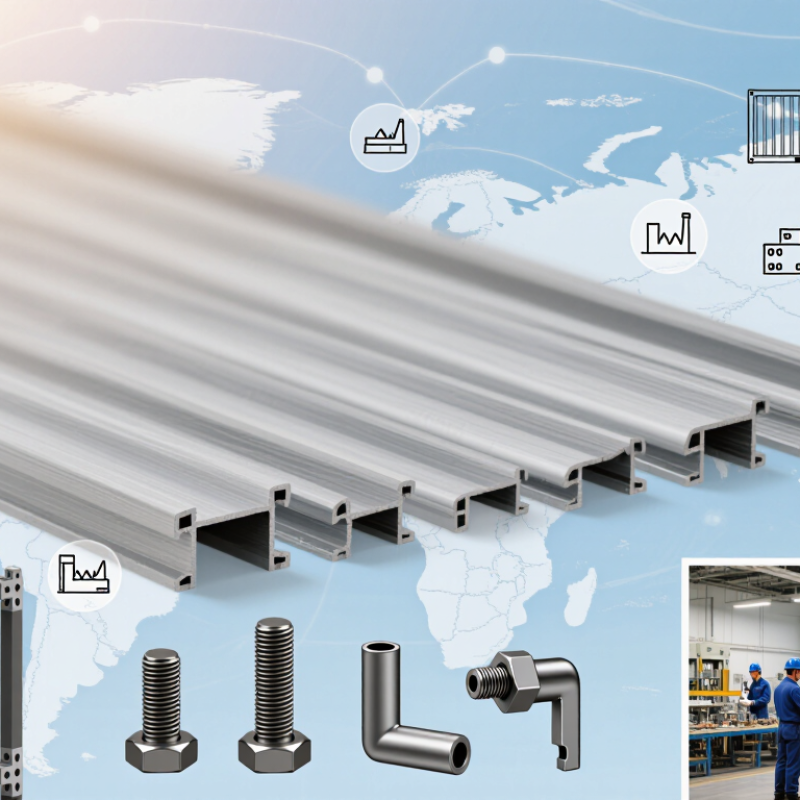
Aluminum construction profiles are precision-shaped sections made by forcing heated aluminum alloy through a hardened die. Their common forms include channels, angles, tubes, T-sections, and frames. These profiles support doors, facades, partitions, solar structures, and lightweight equipment. Extrusion creates consistent dimensions, while machining adds holes, grooves, and connection points. On site, installers value profiles that arrive straight, clean, and within tight tolerances.
The 2024 USGS Mineral Commodity Summaries reported global primary aluminum production at roughly 70 million metric tons in 2023. That scale supports broad supply availability for international buyers. Aluminum also offers a strong strength-to-weight ratio and natural corrosion resistance.
However, alloy selection matters. A thin profile may bend under wind loads or repeated use. It is not automatically suitable for every structure. Engineers should check wall thickness, span, load, thermal movement, and local building requirements.
The International Aluminium Institute states that recycled aluminum uses about 5% of the energy required for primary production. This gives profiles strong circularity potential when collection and remelting systems work properly. Surface treatments, such as anodizing or powder coating, can improve appearance and durability. Yet coating quality depends on preparation, thickness, and exposure conditions. Buyers should request alloy certificates, dimensional inspection records, coating test results, and traceable packaging. Small omissions can become expensive installation problems.
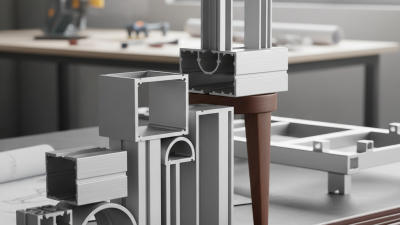
Global buyers often select aluminum construction profiles for a practical reason: they combine low density with useful structural stiffness. A typical profile is easier to handle than steel during assembly, especially on elevated work platforms or long production lines. This can reduce manual strain and shorten installation time. The material also forms complex hollow sections, allowing engineers to place metal where loads travel. But profile shape matters as much as alloy strength. A poorly designed section can twist under modest force.
Aluminum naturally develops a thin oxide layer when exposed to air, helping resist ordinary atmospheric corrosion. Anodizing or powder coating can improve surface durability, color stability, and cleaning performance. In coastal or chemically exposed areas, buyers should verify the finish, fasteners, and drainage design. Trapped moisture can create problems.
Aluminum transfers heat quickly, which benefits heat sinks and temperature-sensitive frames but may increase thermal bridging in building envelopes. Its expansion rate is higher than steel’s, so long runs need suitable joints and allowances. This detail is easy to overlook.
From an engineering perspective, reliable purchasing depends on more than a catalog strength value. Check alloy and temper, dimensional tolerances, wall thickness, connection method, and test documentation. Profiles should be assessed under real loads, including vibration, impact, and repeated cycling.
I have seen lightweight assemblies perform well when joints were designed carefully, yet fail early when screws were overtightened or contact surfaces were contaminated. Small details matter. Recycled content may reduce environmental impact, but claims require traceable data. For harsh service, request project-specific calculations and finish samples before approval.
Aluminum construction profiles serve many projects because they combine low weight, accurate dimensions, and practical corrosion resistance. Their modular grooves support brackets, panels, glazing, and adjustable joints. This flexibility helps installers adapt frames on busy building sites.
In construction, profiles form window frames, doors, curtain wall supports, partitions, handrails, and lightweight roofing structures. Thermal-break designs can reduce heat transfer around windows. Proper drainage details remain essential. A neat profile cannot correct poor sealing.
Industrial users apply profiles to machine guards, conveyor frames, workbenches, inspection stations, and clean production enclosures. Their smooth surfaces simplify cleaning, while modular connections allow repairs without extensive welding. Engineers can also integrate sensors, cable channels, and protective panels into the same frame.
For global buyers, standardized lengths and repeatable machining can simplify packaging and assembly. However, aluminum is not automatically the best material. Heavy loads, vibration, high temperatures, and impact require careful alloy and profile selection. A recurring mistake is choosing by appearance alone. Load calculations, connection strength, surface treatment, and local environmental exposure deserve equal attention. Small tolerances matter. A few millimeters can create alignment problems during installation. Reliable suppliers should provide clear drawings, material information, testing records, and realistic delivery details before production begins.
For global buyers, aluminum construction profiles are not chosen by appearance alone. The real decision involves standards, supplier capability, documentation, and delivery risk. A profile designed for a warehouse frame may need different tolerances than one used indoors. Start with the application, load requirements, alloy, temper, surface finish, and joining method. Small gaps here can create expensive changes later.
International sourcing requires clear technical language. Specify dimensional tolerances, straightness, wall thickness, coating thickness, color limits, and packaging requirements. Refer to relevant EN, ASTM, ISO, or national standards when applicable. Do not assume one certificate covers every requirement. Review mill test certificates, inspection records, material traceability, and sample measurements. A reliable supplier should explain what it can verify. It should also state what remains outside its control.
Supply planning matters as much as extrusion quality. Confirm minimum order quantities, tooling charges, lead times, port routes, export documents, and replacement procedures. Ask how profiles are protected from scratches during long-distance transport. Wooden crates, separators, and moisture control can affect arrival condition. One sourcing plan may look efficient on paper. It may fail during peak season. That weakness deserves attention. Independent pre-shipment inspection can reduce uncertainty, although it adds cost and time. Buyers should compare total landed cost, not only the quoted meter price. A cheaper profile is not always the safer purchase.
Why Choose Aluminum Construction Profiles for Global Buyers?
Selecting an aluminum profile supplier requires more than comparing prices. Production control matters. Request alloy certificates, extrusion records, and dimensional inspection reports for every shipment. The supplier should identify alloy grade, temper, surface treatment, and batch number clearly. ISO 9001 certification supports process consistency, but it does not guarantee perfect products.
Ask for samples before signing a large contract. Measure wall thickness, straightness, slot dimensions, and finish uniformity. A useful supplier will explain tolerances instead of hiding behind general claims. Check whether testing follows recognized standards, such as ISO or ASTM procedures. Production capacity also needs evidence. Review equipment lists, monthly output, maintenance records, and documented lead times. Fast promises can become expensive delays.
Sustainability deserves careful verification. The U.S. Department of Energy reports that recycled aluminum requires about 95% less energy than primary aluminum production. Ask suppliers to disclose recycled content, energy sources, and scrap-recovery practices. The International Aluminium Institute also identifies recycling and process efficiency as major industry decarbonization measures. Yet recycled content alone proves little. Traceability is essential. Confirm material origins and audit records.
Payment terms, packaging, export experience, and after-sales support influence real project cost. A supplier may offer excellent profiles but weak communication. That becomes a serious risk across time zones. No supplier scores perfectly. A practical evaluation matrix should weigh quality, delivery, technical support, sustainability, and total landed cost. Price should not dominate the decision.
Aluminum profiles offer a strong strength-to-weight ratio, corrosion resistance, recyclability, and flexible extrusion design. Selecting the right alloy and temper is an important first step when evaluating an international supplier.
How to select the right supplier: Ask for alloy and temper traceability, mill certificates, dimensional inspection reports, surface-finish specifications, and samples tested against the applicable ASTM or EN standard. The values below are representative minimum tensile-strength levels for commonly used extruded aluminum grades; confirm exact requirements for the profile shape and section size.