Top Aluminum Extrusion Tips for Cost Effective Global Sourcing?
In today's competitive market, Aluminum Extrusion is crucial for manufacturers seeking quality and efficiency. Sourcing aluminum products globally can provide significant cost benefits. However, it requires a strategic approach. Understanding the complexities of different markets is vital.
Effective supplier selection is often overlooked. Many companies rush into partnerships without proper evaluation. This can lead to costly mistakes. Prioritizing reliable suppliers increases the chances of consistent quality. Also, consider regional material characteristics that might affect production.
Cost transparency is another area to reflect on. Hidden fees and shipping costs can erode savings. It is essential to have clear agreements in place. Additionally, engaging in long-term relationships with suppliers can yield benefits. Sourcing Aluminum Extrusion should focus not only on price but also on quality and trust.
Understanding Aluminum Extrusion and Its Global Market Dynamics
Aluminum extrusion is vital in the manufacturing sector. Understanding the global market dynamics is crucial for businesses seeking cost-effective sourcing. Reports indicate that the global aluminum extrusion market is expected to reach $100 billion by 2025. This growth underscores the importance of strategic sourcing decisions.
When considering aluminum sourcing, focus on efficiency and reliability. Establish partnerships with suppliers who demonstrate robust quality controls. This minimizes defects and production delays. Studies show that a 5% reduction in defects can save manufacturers up to 20% in costs. Prior to committing, ensure that suppliers can provide certifications and compliance documentation.
Another tip for effective sourcing is to stay updated on market trends. The demand for aluminum products fluctuates due to economic shifts. Keeping an eye on these trends helps businesses adjust their sourcing strategies. Companies that adapt quickly often outperform their competitors. Rely on accurate market reports and analysis to guide your sourcing decisions.
Top Aluminum Extrusion Tips for Cost Effective Global Sourcing
| Aspect |
Details |
Considerations |
Cost Implications |
| Material Quality |
Consider different grades of aluminum |
Impact on strength and durability |
Higher quality may increase initial costs |
| Supplier Location |
Identify suppliers in low-cost regions |
Logistics and shipping costs |
Potential savings on unit cost |
| Production Volume |
Evaluate batch sizes for orders |
Economies of scale considerations |
Larger volumes can reduce per unit costs |
| Lead Time |
Review supplier production schedules |
Impact on project timelines |
Delays can lead to increased costs |
| Design Flexibility |
Assess the ability to customize designs |
Adaptability to project needs |
Customization can increase production costs |
Identifying Cost-Effective Sources for Aluminum Extrusion Products
Identifying cost-effective sources for aluminum extrusion products requires a thoughtful approach. The global aluminum extrusion market is expected to reach $70.4 billion by 2025, driven by growing demand across industries like construction and automotive. However, sourcing these products at competitive prices is essential for maintaining profit margins.
To achieve this, establish strong relationships with suppliers. Regular communication fosters trust, leading to better pricing and terms. Consider sourcing from regions with lower production costs. Countries like China and India have become hubs for aluminum extrusion due to their advanced technology and reduced labor expenses.
Tip: Always seek multiple quotes before making decisions. This information is crucial. It helps benchmark prices and ensures you do not overpay. Additionally, conducting a cost-benefit analysis can reveal hidden expenses, such as shipping and customs duties.
Watch for quality variations as well. Not all suppliers adhere to the same standards. Make sure to request samples. This will prevent disappointments down the line. Supplier audits can also enhance reliability, ensuring the extrusion products meet your specifications.
Evaluating Quality Standards in Global Aluminum Sourcing
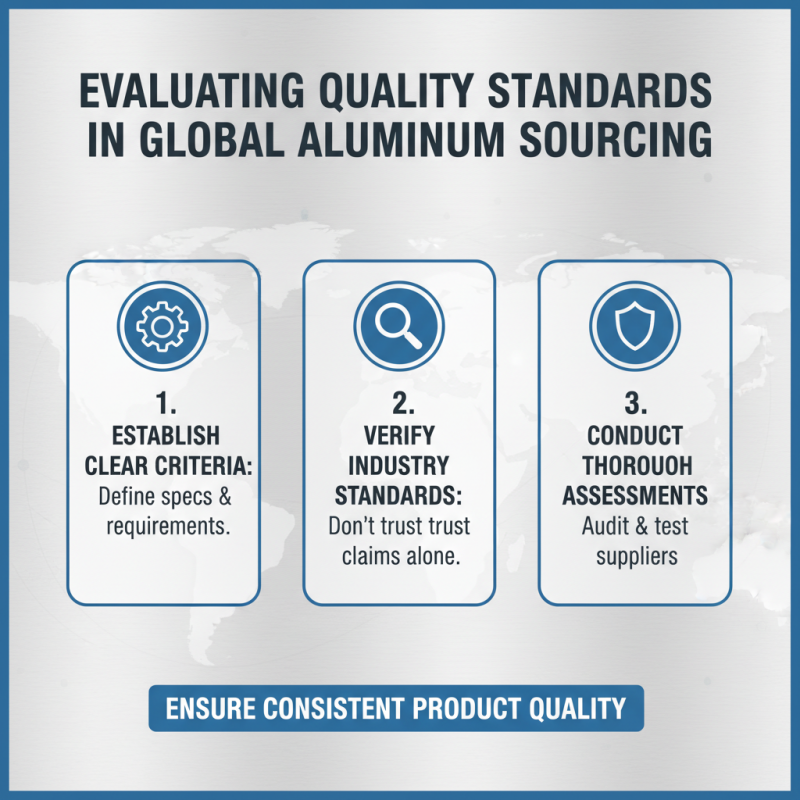
When sourcing aluminum globally, quality standards play a critical role. Establishing clear criteria is essential in ensuring you receive products that meet your specifications. Many manufacturers claim to follow industry standards, yet the quality may vary widely. It is vital to conduct thorough assessments before committing to suppliers.
Consider inspecting a factory’s certifications. These can provide insight into their production processes and adherence to quality norms. However, not all certifications guarantee consistent output. Visit the manufacturing site if feasible. Seeing how materials are handled can uncover underlying issues. Suppliers may present polished images, but the reality often reveals more.
Be prepared for challenges in communication. Language barriers can lead to misunderstandings regarding quality expectations. Document every aspect of your agreement. This ensures both parties are clear on standards. Analytical testing can also serve as a significant tool. It assists in verifying the material's durability and strength, ensuring long-term reliability. Remember, vigilance and detailed assessment are key to effective global aluminum sourcing.
Strategies for Effective Negotiation with Suppliers
Negotiating effectively with suppliers in the aluminum extrusion market requires a strategic mindset. Knowledge about market trends and supplier capabilities is crucial. Researching potential suppliers helps to understand their strengths and weaknesses. This insight allows for targeted discussions that highlight mutual benefits. Building rapport with suppliers can also foster a more transparent negotiation environment.
When discussing prices, be open about your budget constraints. Suppliers often appreciate honesty and may offer better deals when they understand your limitations. It’s essential to be flexible with terms, such as payment schedules or lead times. These concessions may lead to more favorable pricing, highlighting the importance of give-and-take in negotiations.
Reflecting on negotiation experiences is critical. After each negotiation, assess what went well and what could be improved. Were you clear about your goals? Did you listen actively to the supplier's needs? This self-reflection can enhance future negotiations and deepen supplier relationships. By honing these skills, you can achieve more cost-effective outcomes in global sourcing of aluminum extrusions.
Top Aluminum Extrusion Cost Analysis for Global Sourcing
Optimizing Logistics and Supply Chain Management for Aluminum Extrusions
In the world of aluminum extrusion, optimizing logistics and supply chain management is vital for cost-effective global sourcing. According to a report by Grand View Research, the aluminum extrusion market is expected to reach $63.8 billion by 2025. This growth demands improved logistical strategies to keep pace with demand while minimizing costs.
Effective supply chain management begins with comprehensive planning. One tip is to assess potential suppliers systematically. Consider location, capabilities, and their track record in meeting deadlines. An industry study showed that 70% of companies recognize the importance of supplier collaboration to enhance efficiency. Partners who understand your needs can save time and reduce overhead.
Another significant aspect is freight optimization. Transporting aluminum extrusions can be costly. Using data analytics to evaluate shipping routes can lead to considerable savings. A recent survey indicated that optimizing logistics could reduce transportation costs by up to 20%. Regularly reviewing shipping methods ensures that you are making the best decisions for your operations.
In exploring these strategies, companies sometimes overlook their own internal processes. Engaging employees in supply chain discussions can yield valuable insights. Teams closer to production often have unique perspectives that improve efficiency and reduce waste. Embracing this level of engagement may not always be straightforward, but it opens pathways to continuous improvement.












 wechat