Top Benefits of Extruded Aluminum Profiles for Global Suppliers?
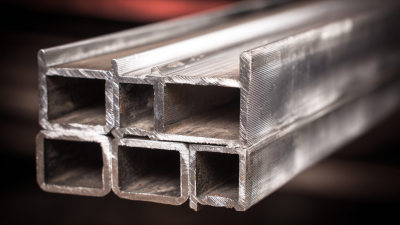
Extruded Aluminum Profiles have gained significant traction in various industries. Their versatility and strength make them a choice for global suppliers. These profiles offer unique advantages that can enhance product design and manufacturing efficiency.
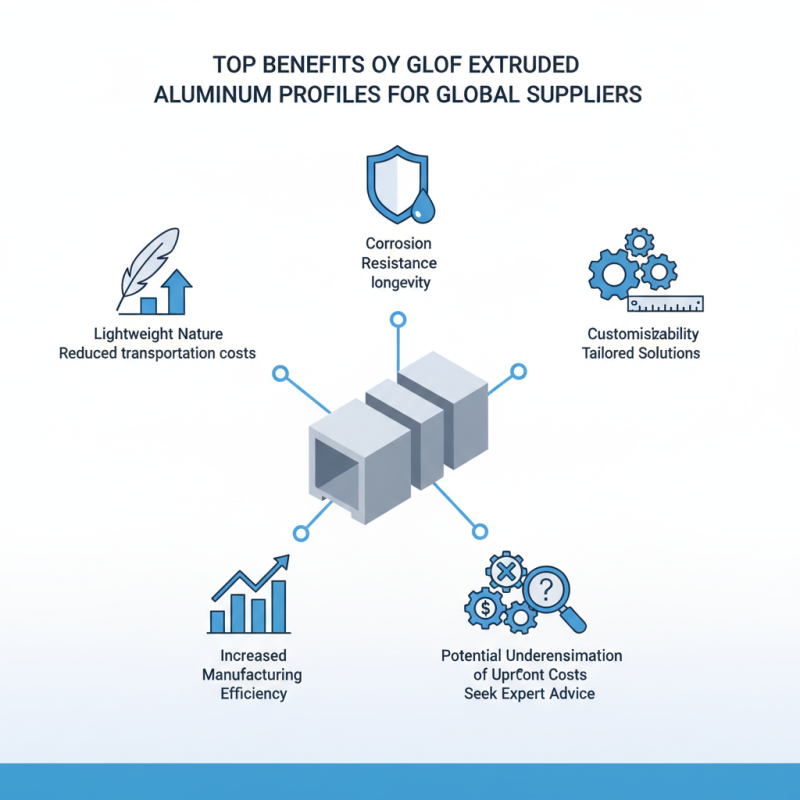
One major benefit is their lightweight nature. This feature is essential for companies looking to reduce transportation costs. Additionally, their resistance to corrosion ensures longevity, which is crucial in today’s competitive market. Many suppliers appreciate the customizability of extruded aluminum, allowing for tailored solutions.
However, it is important to note that not all suppliers fully understand the potential of Extruded Aluminum Profiles. Some may underestimate the upfront costs associated with these profiles. This lack of awareness can lead to missed opportunities. Manufacturers should explore all options and seek expert advice to maximize the benefits of these materials in their product offerings.
Benefits of Lightweight Design Achieved with Extruded Aluminum Profiles
Extruded aluminum profiles offer significant advantages for lightweight design. This is particularly crucial in industries such as automotive and aerospace, where every gram counts. According to recent industry reports, reducing vehicle weight by just 10% can lead to a 5-7% increase in fuel efficiency. This data highlights the value of lightweight materials like aluminum.
In addition to improving fuel efficiency, lightweight aluminum profiles enhance performance and reduce production costs. When components are lighter, manufacturers can lower shipping costs and use less energy during production. The Global Aluminum Association reports that the use of aluminum in vehicles can save around 1,000 pounds. These savings are not just financial; they contribute to sustainability goals and lower emissions.
However, challenges exist. Designing for lightweight materials requires advanced engineering skills. Proper integration with other materials can also be complex. As the industry moves toward lighter, more efficient products, ongoing research into aluminum's capabilities is essential. There are still hurdles to overcome, but the benefits of using extruded aluminum profiles are clear.
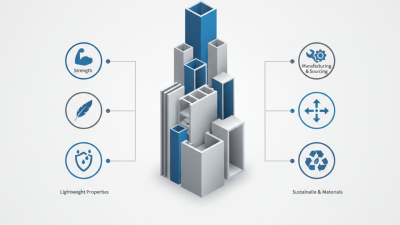
Top Benefits of Extruded Aluminum Profiles for Global Suppliers
| Benefit |
Description |
Impact |
| Lightweight Design |
Aluminum profiles provide significant weight savings compared to traditional materials. |
Reduces transportation and handling costs, improves energy efficiency. |
| Corrosion Resistance |
Aluminum naturally forms a protective oxide layer that resists corrosion. |
Enhances product lifespan and reduces maintenance costs. |
| Versatility |
Can be extruded into complex shapes and designs for various applications. |
Increases design possibilities and accommodates diverse industry needs. |
| Sustainability |
Aluminum is recyclable and has a lower environmental impact than many materials. |
Contributes to green building and manufacturing practices. |
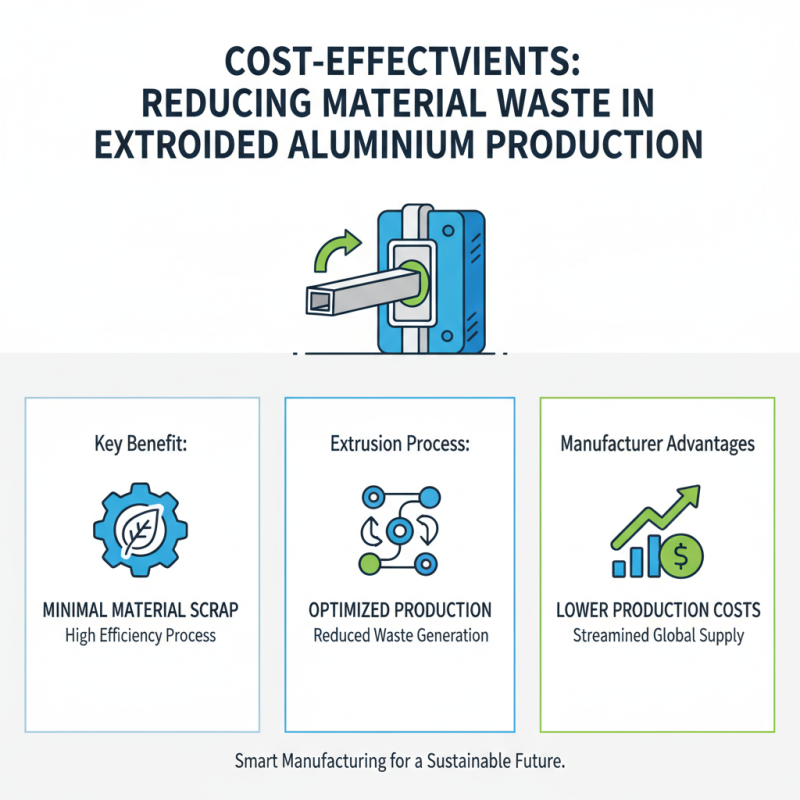
| Cost-Effectiveness |
High performance at a competitive price point compared to other materials. |
Reduces overall project costs while maintaining quality. |
Enhancing Structural Integrity: The Role of Extruded Aluminum in Manufacturing
Extruded aluminum profiles play a crucial role in enhancing structural integrity in manufacturing. According to a recent report by the Aluminum Association, aluminum's strength-to-weight ratio is significantly higher than that of steel. This makes it an ideal choice for various applications. The versatility of extruded aluminum allows for intricate designs while maintaining robustness. In sectors like aerospace or construction, these profiles provide the necessary support without adding excessive weight.
Manufacturers benefit from the cost-effectiveness of aluminum extrusions. The material is not only lightweight but also resistant to corrosion, which extends product lifespan. Industry reports indicate that using aluminum can reduce maintenance costs by up to 30%. This reliability makes it a preferred option for global suppliers.
Tip: When selecting extruded aluminum profiles, consider their grade and alloy. Different grades have varying mechanical properties. You may find that 6061 and 6063 are commonly used for structural applications.
Another aspect is the recycling capabilities of aluminum. Over 75% of all aluminum ever produced is still in use today, according to the International Aluminum Institute. This sustainability factor adds to the appeal of using aluminum in manufacturing processes.
Explore aluminum's potential to enhance your next project, but be cautious about the sourcing and processing of materials. Quality varies considerably within the industry. Always verify supplier credentials to ensure you make informed decisions.
Top Benefits of Extruded Aluminum Profiles for Global Suppliers
Versatility of Extruded Aluminum Profiles Across Various Industries
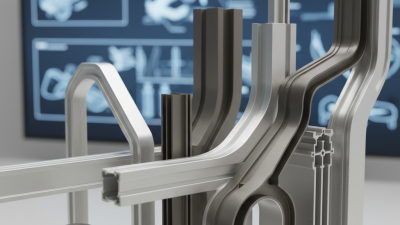
Extruded aluminum profiles are gaining traction across various industries due to their adaptability. This manufacturing process allows for precise shapes and specifications, accommodating a wide range of applications. From automotive components to architectural frames, the versatility of extruded aluminum profiles meets diverse needs.
In construction, they provide lightweight but robust structural solutions. Their resistance to corrosion makes them ideal for outdoor usage. However, the manufacturing process can sometimes result in imperfections, affecting strength and durability. These flaws can challenge suppliers, prompting continuous improvement in quality control.
When it comes to automotive applications, extruded aluminum can minimize weight while enhancing fuel efficiency. Yet, not all designs translate well into production. The challenge lies in balancing innovation with manufacturability. Each industry's specific requirements dictate the optimal approach to aluminum extrusion, showcasing the necessity for expert knowledge in this field.
Sustainability: Recycling and Environmental Impact of Aluminum Profiles
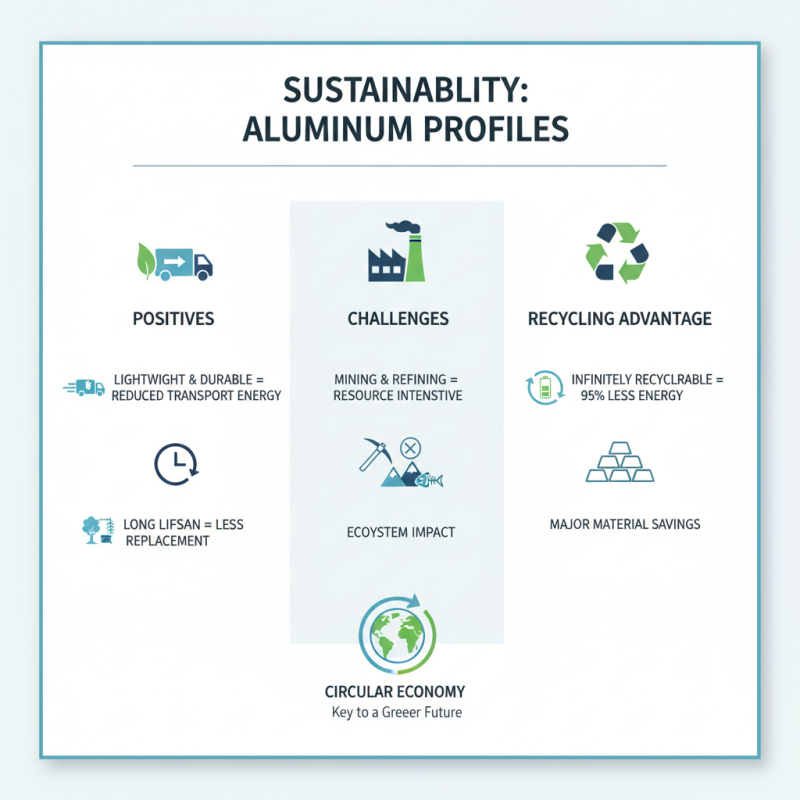
Aluminum profiles are gaining attention for their sustainability benefits. They are lightweight and durable, which reduces energy consumption during transportation. Their long lifespan minimizes the need for frequent replacements. However, the production of aluminum does have environmental concerns. Mining and refining bauxite can be resource-intensive, impacting ecosystems.
Recycling aluminum significantly lowers its environmental footprint. It takes only 5% of the energy needed to create new aluminum from raw materials. This process generates less greenhouse gas, making it a more eco-friendly option. Despite these advantages, the recycling rate for aluminum can vary widely across regions. Some areas have robust recycling programs, while others lag behind.
Using extruded aluminum profiles presents real opportunities for sustainability. They are often 100% recyclable and can be repurposed without loss of quality. This means that even post-consumer products can find new life. However, more awareness and infrastructure are needed to improve recycling rates globally. This poses a challenge for suppliers aiming to enhance their environmental impact.






 wechat