China Top Aluminum Extrusion Tube Profiles for Global Buyers?
China is emerging as a dominant player in the global aluminum extrusion tube profiles market. This growth aligns with industry forecasts indicating a 4.5% annual increase in demand, projected to reach over 9 million metric tons by 2028. The versatility of aluminum in various applications, including automotive and construction, underscores its significance.
Aluminum extrusion tube profiles are essential for manufacturers aiming to optimize production processes. The lightweight nature of aluminum enhances efficiency without compromising strength. Chinese manufacturers are streamlining their production techniques, leading to higher quality outputs at competitive prices. However, there are concerns regarding sustainability practices and the need for better recycling methods in this industry.
Global buyers should weigh the benefits of sourcing from China against potential challenges. The varying quality standards and regulatory differences can pose risks. Establishing trustworthy partnerships with certified suppliers is crucial. Reliable data, such as reports from the International Aluminum Institute, supports the claim that quality control remains a key area for improvement in the aluminum extrusion sector.
China's Leading Aluminum Extrusion Tube Manufacturers
China's aluminum extrusion tube industry has become a global player. Manufacturers in this sector are known for their advanced technology and skilled workforce. They produce a range of profiles suited for various applications, from construction to automotive industries. The quality of these tubes is often boosted by rigorous testing and quality control measures.
Tips: When selecting a supplier, consider their experience and customer reviews. A reliable manufacturer should have a good track record.
These manufacturers also emphasize customization. They can create specific profiles based on client needs. This flexibility sets them apart in the global market. However, not all manufacturers maintain the same standards. Researching certifications and production processes can help you identify trustworthy suppliers.
Tips: Ask for samples before committing to a large order. This ensures that the product meets your specifications.
Attention to detail is crucial in aluminum extrusion. Many manufacturers are working to improve their processes continually. Some still face challenges related to efficiency and waste reduction. It’s important to engage with manufacturers who show a commitment to sustainability and innovation. This can lead to better long-term partnerships.
Key Features of Chinese Aluminum Extrusion Tube Profiles
Chinese aluminum extrusion tube profiles have gained popularity worldwide due to their optimal features. One key feature is their lightweight nature, which enhances transportation efficiency. Many industries favor these tubes for their strength-to-weight ratio. This property allows engineers to design robust structures without adding excessive weight.
Additionally, these profiles exhibit excellent corrosion resistance. This is vital for applications in environments prone to moisture and chemicals. Many manufacturers apply anodizing treatments, further enhancing durability. The versatility of these profiles also stands out. They are customizable, allowing buyers to request specific dimensions and shapes to meet unique requirements.
However, potential buyers should be aware of the quality variance among producers. Some may not maintain consistent standards. Inspecting certificates and production practices is essential. In a global market, understanding the specific applications of these profiles helps buyers make informed choices. The rapid evolution in aluminum technology presents both opportunities and challenges. Keeping up with trends is important for maximizing the benefits of these materials.
Applications of Aluminum Extrusion Tubes in Various Industries
Aluminum extrusion tubes are vital in many industries. Their lightweight and corrosion-resistant properties make them ideal for applications in aerospace, automotive, and construction. According to a report by Research and Markets, the global aluminum extrusion market is projected to reach $90 billion by 2025. This growth is driven by rising demand for lightweight materials that enhance fuel efficiency.
In aerospace, aluminum tubes are used for structural components and fuel lines. Their strength-to-weight ratio is significant. This characteristic improves aircraft efficiency and reduces operational costs. In the automotive industry, manufacturers favor aluminum for engine components and body structures. The reduction in vehicle weight contributes to lower emissions and better gas mileage. A study from the International Council on Clean Transportation (ICCT) indicates that using aluminum in vehicles can reduce weight by up to 50% compared to traditional materials.
Despite these advantages, there are challenges to consider. The extrusion process can produce variability in the final product. This variability may affect quality and performance. Strict quality assurance measures are essential to mitigate these risks. Understanding the intricacies of aluminum profiles is crucial for manufacturers. Thus, continuous research and development are needed to address these issues and enhance production efficiency.
Quality Standards and Certifications for Aluminum Products in China
When sourcing aluminum extrusion tube profiles from China, understanding quality standards is crucial. The production of aluminum products in China follows specific guidelines. These guidelines ensure that items meet international safety and performance requirements. Adherence to standards such as ISO 9001 is common among reputable manufacturers. This certification reflects a commitment to quality management.
Moreover, various certifications support the credibility of Chinese aluminum products. The EN 755 standard is vital for extrusion profiles, ensuring they meet European quality expectations. Many suppliers also pursue certifications like RoHS. This certification guarantees that products are free from hazardous substances. Potential buyers should verify these certifications to ensure reliability.
However, not all suppliers meet these standards. Some may cut corners to reduce costs. This poses a risk to product quality. Buyers should conduct thorough research before making decisions. Engaging with suppliers directly can reveal their manufacturing processes. It also helps in understanding their compliance level with required standards. This diligence can prevent future issues related to product quality.
Trends and Innovations in China's Aluminum Extrusion Sector
China's aluminum extrusion segment showcases significant trends and innovations, gaining traction among global buyers. According to a recent industry report, China's market size for aluminum extrusion reached approximately $38 billion in 2022, reflecting a compound annual growth rate (CAGR) of 6.5%. This growth is fueled by increased industrial applications and a surge in construction activities. Buyers are increasingly drawn to innovative designs and customized solutions tailored to their specific needs.
Sustainability is a key trend influencing the sector. Many manufacturers are adopting eco-friendly processes, such as recycling aluminum scrap, which accounts for nearly 30% of total aluminum production in China. Additionally, advanced manufacturing techniques, such as 3D printing and automated extrusion processes, are shaping the future of the industry. However, the reliance on outdated technologies in some facilities raises concerns about efficiency and competitiveness.
Investments in R&D are crucial for driving innovation. About 15% of total revenue in the aluminum sector is reinvested into new technologies. Yet, many companies still struggle to keep pace with global advancements. The pressure to innovate is mounting, as international competitors adopt cutting-edge practices. Keeping a close watch on these evolving trends is essential for buyers looking to thrive in this dynamic market.
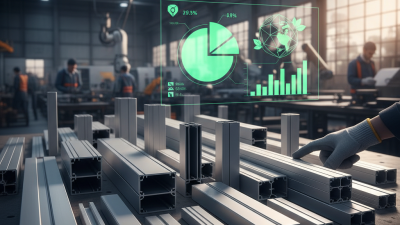
China Aluminum Extrusion Tube Profiles - Production Trends (2022-2023)








 wechat