Why Choose Aluminum Profiles For Windows And Doors for Your Home?
Choosing the right material for your home’s windows and doors is crucial. Aluminum profiles for windows and doors are becoming increasingly popular. They offer several advantages in terms of durability, aesthetic appeal, and energy efficiency.
Aluminum profiles for windows and doors are lightweight yet robust. This balance makes them easy to install and maintain. Many homeowners appreciate their modern look, which can complement various architectural styles. However, the price point can be a concern for some.
It’s also worth noting that while aluminum is resistant to corrosion, it may still require proper treatment. Failure to maintain these profiles can lead to diminished performance over time. Investing in aluminum profiles for windows and doors is a significant decision, blending luxury and functionality for modern homes.
Benefits of Using Aluminum Profiles in Windows and Doors
Aluminum profiles are increasingly popular for windows and doors in homes.
One significant advantage is their durability. Unlike wood, aluminum does not warp or swell.
It resists harsh weather conditions, ensuring your windows and doors last longer.
Another compelling benefit is the design flexibility. Aluminum can be crafted into various shapes and sizes.
This means homeowners can achieve a modern aesthetic with slim frames and expansive glass areas.
The sleek look complements both contemporary and traditional styles. Customization options are vast, allowing unique designs without sacrificing strength.
Energy efficiency is another critical factor. Aluminum windows and doors can be fitted with thermal breaks,
improving insulation. This helps maintain pleasant indoor temperatures, which can reduce energy bills. While aluminum can conduct heat,
the right designs can mitigate this issue. Nevertheless, some users may need guidance on selecting the best models for their needs.
Durability and Maintenance of Aluminum Window and Door Profiles
Choosing aluminum profiles for windows and doors is increasingly popular for homeowners. One key reason is their remarkable durability. According to the Aluminum Association, aluminum can withstand extreme weather conditions. It does not warp, crack, or swell like wood. This makes it a reliable choice for homes in varying climates.
Maintenance is another strong point for aluminum profiles. They require minimal upkeep compared to other materials. A report from the American Architectural Manufacturers Association states that aluminum windows typically last 30 years or more without significant corrosion or deterioration. Occasional cleaning with soap and water is often all that is needed to maintain their appearance.
Tip: Choose powder-coated finishes for added protection. These finishes resist scratching and fading, which enhances longevity.
Despite their many advantages, it's important to consider potential drawbacks. Insulation might not be as strong as vinyl options. Homeowners might need to invest in quality thermal breaks to improve energy efficiency. Understanding these trade-offs helps in making an informed decision.
Energy Efficiency and Insulation Properties of Aluminum Structures
Aluminum profiles are increasingly popular for windows and doors in homes, primarily due to their energy efficiency and insulation properties. Aluminum structures can significantly reduce heat transfer, keeping homes warmer in winter and cooler in summer. This energy efficiency leads to lower utility bills, providing long-term savings.
The insulation properties of aluminum can be enhanced by adding thermal breaks. These breaks are materials inserted between the interior and exterior of the aluminum frame. They prevent thermal bridging, which is crucial for maintaining a comfortable indoor environment. While aluminum may seem less insulating compared to other materials, these advancements make it a reliable choice.
However, not all aluminum profiles offer the same level of insulation. Homeowners should research and select profiles designed with energy efficiency in mind. It's essential to assess the performance ratings of these profiles. Some might not meet your needs; careful inspection is necessary. Also, consider the local climate, as it can influence how effective aluminum structures are for insulation in your area.
Design Versatility and Aesthetic Appeal of Aluminum Frames
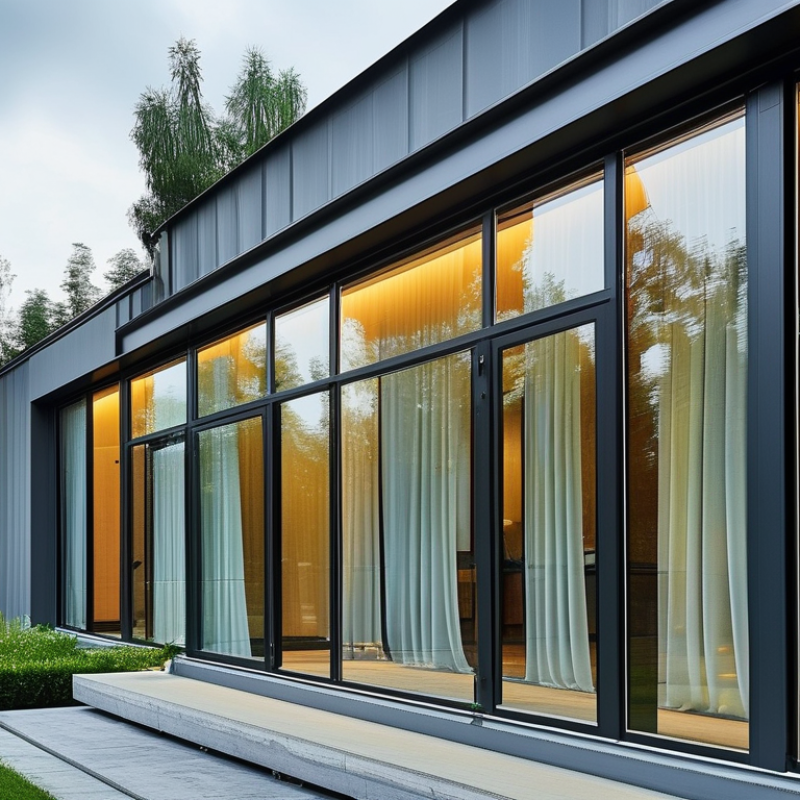
Aluminum frames for windows and doors offer remarkable design versatility. They can match numerous architectural styles, from modern to classic. Their sleek lines and minimalist appearance allow them to blend into various settings. This compatibility makes aluminum a popular choice for many homeowners. With a range of finishes and colors, you have the freedom to express your personal taste.
One striking aspect of aluminum is its ability to enhance natural light. Larger glass panes framed in aluminum can create a luxurious, airy feel. The material's strength allows for thinner frames, which means more glass. This feature can open up spaces and improve views. However, careful consideration is needed. Thinner frames may compromise insulation. You must strike a balance between aesthetics and energy efficiency.
Aesthetic appeal is not just about looks; it's also about durability. Aluminum resists rust and requires minimal maintenance. Over time, this can save you effort and costs. Still, color fading can happen, particularly in harsh climates. It's crucial to choose the right finishes and consider your local environment. This contributes to the longevity of your investment. In the end, aluminum frames can provide both beauty and practicality.
Why Choose Aluminum Profiles For Windows And Doors for Your Home? - Design Versatility and Aesthetic Appeal of Aluminum Frames
| Feature |
Description |
Benefits |
| Design Versatility |
Aluminum frames can be customized in various shapes and sizes to suit different architectural styles. |
Allows homeowners to achieve their desired aesthetic and enhance the overall look of their home. |
| Aesthetic Appeal |
Available in a wide range of colors and finishes, including anodized and powder-coated options. |
Provides a modern, sleek appearance that complements any design theme. |
| Durability |
Aluminum is resistant to rust, corrosion, and extreme weather conditions. |
Ensures a long lifespan and requires minimal maintenance over time. |
| Energy Efficiency |
Modern aluminum frames can be designed with thermal breaks to improve insulation. |
Helps reduce energy costs by maintaining indoor temperatures more effectively. |
| Eco-Friendly Options |
Aluminum is recyclable and can be repurposed without loss of quality. |
Contributes to sustainable building practices and reduces environmental impact. |
Cost-Effectiveness Compared to Other Window and Door Materials
When selecting materials for windows and doors,
aluminum profiles present notable
cost-effectiveness when compared to
traditional options like wood and vinyl.
Reports indicate that the upfront cost
for aluminum frames is often lower than for high-quality wood alternatives.
For instance, investing in aluminum can reduce maintenance costs by approximately
20% over a decade. Aluminum does not warp, rot,
or require frequent repainting, delivering long-term savings.
Another factor to consider is energy efficiency.
A study by the Department of Energy highlights that
aluminum framing can offer insulated options. These profiles help maintain indoor temperature,
potentially cutting heating and cooling costs by around 15%. However, it’s crucial
to choose thermally broken aluminum profiles for optimal energy savings.
In terms of durability, aluminum stands out.
Unlike wood, which can suffer from moisture damage, aluminum profiles are resistant to weather extremes.
Yet, some might argue that aluminum lacks the aesthetic appeal of wood. While this can be true,
modern finishes and designs can bridge this gap. Ensuring
the choice of aluminum aligns with local climate and personal preferences is essential for
achieving both functionality and style.









 wechat