One Stop Solution For Aluminum Profiles
调查
表单加载...

How to Choose Anodized Aluminum Profiles in 2026?

Choosing Anodized Aluminum Profiles in 2026 requires more than comparing surface colors and catalog prices. These profiles appear in window frames, curtain walls, solar structures, furniture systems, and precision equipment. Each application creates different demands for corrosion resistance, wear protection, appearance, and dimensional accuracy. A profile installed beside a humid coastline faces harsher conditions than one used inside a dry office.

This guide examines the practical factors that influence a reliable purchase. Alloy selection matters because 6063 aluminum often supports attractive architectural finishes, while other alloys may provide different strength or machining performance. Anodizing thickness, sealing quality, color consistency, and surface preparation should receive careful attention. Ask suppliers for test reports, production samples, and clear information about applicable standards. A polished sample may look excellent under showroom lighting, yet reveal uneven shading outdoors.

Experience also shows that the cheapest quotation can create expensive problems later. Scratches, poor sealing, visible batch differences, and inaccurate dimensions may delay installation. Check profile tolerances, packaging methods, lead times, and after-sales support before approving an order. Compare samples from the same production batch whenever possible. Small details matter.

Not every recommendation fits every project. That is easy to forget. Climate, budget, cleaning routines, and design expectations can change the best choice. By combining manufacturer evidence with project-specific testing, buyers can select Anodized Aluminum Profiles with greater confidence and fewer surprises in 2026.
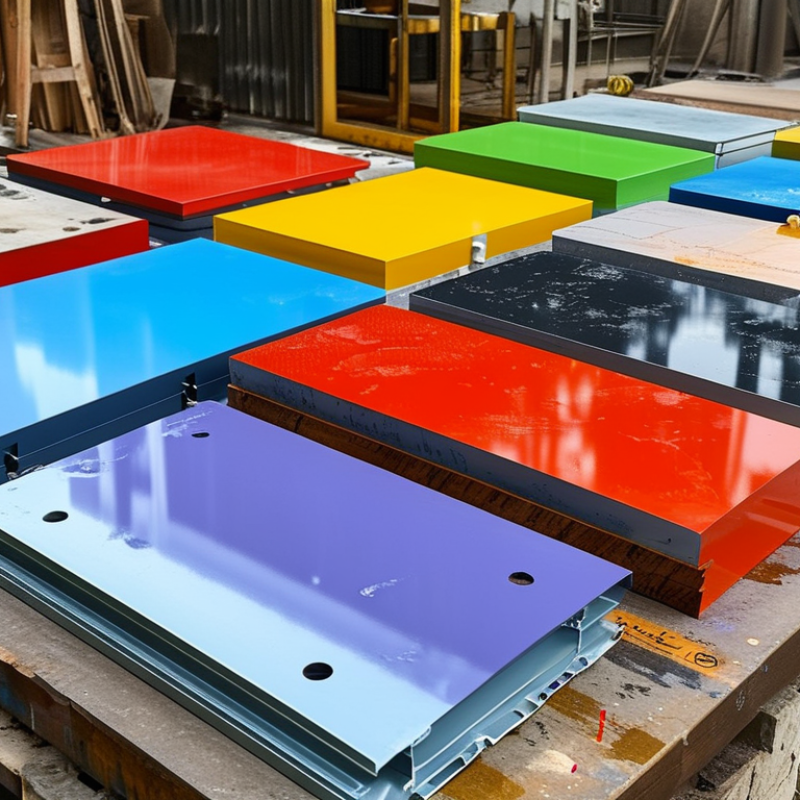
How to Choose Anodized Aluminum Profiles in 2026?

What Are Anodized Aluminum Profiles and Why Do They Matter?

An anodized aluminum profile is an extruded section with an electrically hardened surface layer. Manufacturers pass the aluminum through an electrolytic process, which changes the outer metal rather than adding ordinary paint. This layer improves resistance to oxidation, abrasion, and everyday handling. Unlike paint, it will not peel away in the same manner. That distinction matters around doors, partitions, machinery frames, and exterior panels.

In practical fabrication, anodized profiles offer a clean finish with limited maintenance. The surface keeps its metallic appearance while tolerating sunlight and moderate moisture. It also supports consistent dimensions because the treatment adds only a thin layer. However, anodizing does not make weak aluminum structurally stronger. Engineers still need the correct alloy, temper, wall thickness, and profile geometry. Surface preparation matters. Poor cleaning can create uneven color, streaks, or visible patches after treatment.

When choosing profiles in 2026, ask for the anodizing thickness, sealing method, color tolerance, and inspection records. Confirm whether the profile will face coastal air, industrial dust, or frequent contact. Different environments demand different protection levels. Sample approval is sensible, especially when several sections must appear identical. Do not judge quality from shine alone. A bright surface may hide poor sealing or inconsistent preparation. I find specifications more trustworthy when they include measurable tolerances, test methods, and installation guidance. Yet even careful specifications need review; real jobsite conditions can expose weaknesses that a sample never showed.
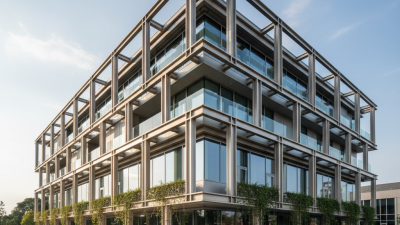
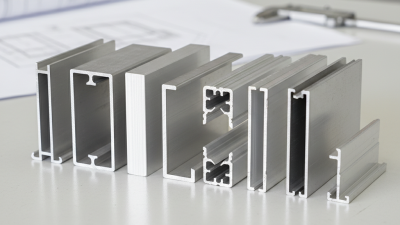
How to Match Aluminum Alloys and Temper Conditions to Your Application

How to Choose Anodized Aluminum Profiles in 2026?

Choosing an anodized aluminum profile starts with the application, not the finish. For architectural frames, 6063 alloy is often practical because it extrudes smoothly and produces an even anodized surface. Its clean corners and consistent color suit doors, partitions, and visible trims. However, 6061 may be better for brackets, machine guards, and load-bearing assemblies. It offers higher strength, but its surface appearance can be less uniform after anodizing.

Temper condition also deserves careful attention. T5 profiles are cooled and artificially aged after extrusion. They provide useful strength with good dimensional stability. T6 profiles receive additional solution heat treatment and aging. They are stronger, but machining and distortion risks may increase. Do not assume T6 is automatically better. A stronger profile can still fail when its wall thickness, joint design, or fasteners are poorly selected.

Check the real environment. A profile near seawater, cleaning chemicals, or constant humidity needs suitable alloy selection and controlled anodizing thickness. Specify the expected load, span, temperature, and visible surface requirements before requesting samples. In production reviews, a small test piece often reveals color variation, scratches, or fit problems early. That step is easy to skip. We sometimes overfocus on tensile strength and overlook installation damage. Ask for dimensional tolerances, temper certificates, and coating inspection records. Verify them against your drawings, not only a supplier’s general data.

How to Choose Anodized Aluminum Profiles in 2026? - How to Match Aluminum Alloys and Temper Conditions to Your Application

Alloy Common Temper Typical Profile Application Approx. Yield Strength
(MPa)
Approx. Tensile Strength
(MPa)
Anodizing Suitability Key Advantages Selection Considerations
6063 T5 Architectural frames, window and door sections, decorative trims, light-duty enclosures Approximately 145 Approximately 185 Excellent
Very good surface finish and color uniformity
Excellent extrudability, smooth surface, good corrosion resistance, widely available in complex shapes Lower strength than 6061 or 6082; avoid for heavily loaded structural members unless the design is verified
6063 T6 Higher-strength architectural profiles, machine guards, moderate-load frames Approximately 170 Approximately 215 Excellent
Suitable for clear and colored anodizing
Combines attractive appearance with improved strength and good corrosion resistance Higher strength can slightly reduce formability and may increase the risk of distortion during machining
6061 T6 Structural frames, equipment supports, transport components, industrial profiles Approximately 276 Approximately 310 Good
Functional anodizing is reliable; cosmetic uniformity may be less consistent than 6063
High strength, good machinability, good corrosion resistance, suitable for demanding mechanical applications More difficult to extrude into very thin or highly complex shapes; may show more visible surface variation after anodizing
6061 T4 Profiles requiring forming, bending, or subsequent shaping before final strengthening Approximately 110 Approximately 207 Good
Suitable when appearance requirements are controlled
Better formability than T6, with the option of natural aging after forming Lower initial strength; final properties depend on processing, aging, and the selected product specification
6005A T6 Medium-duty structural rails, ladders, vehicle and transport sections, load-bearing extrusions Approximately 225 Approximately 270 Good
Suitable for protective and architectural anodizing with process control
Higher strength than 6063, generally more extrusion-friendly than many high-strength alloys Surface appearance may not match 6063 for premium decorative work; verify weld-zone strength requirements
6082 T6 Heavy-duty structural frames, platforms, bridges, machinery bases, industrial support systems Approximately 250 Approximately 290 Good
Best where engineering performance is more important than perfect cosmetic uniformity
High strength, good corrosion resistance, and strong performance in structural applications Less suitable for intricate decorative profiles; anodized color and surface consistency require tighter process control
6060 T5 Thin-wall architectural sections, furniture profiles, interior systems, decorative channels Approximately 120 Approximately 160 Excellent
Good choice for smooth decorative surfaces and light anodized finishes
Very good extrudability, fine surface quality, and suitability for thin, detailed cross-sections Lower mechanical strength; use only after checking deflection, fastening, and load requirements
6060 T6 Light-duty structural and architectural profiles requiring improved strength Approximately 150 Approximately 190 Excellent
Good appearance potential for controlled anodizing lines
Good balance of surface quality, extrudability, and moderate strength Not intended as a direct substitute for higher-strength 6061-T6 or 6082-T6 in structural designs
7075 T6 High-strength aerospace and specialized mechanical components where extrusion geometry permits Approximately 500 Approximately 570 Limited
Anodizing is possible, but appearance and corrosion-control requirements need careful evaluation
Very high strength-to-weight ratio Higher cost, lower corrosion resistance than common 6xxx alloys, poorer extrudability, and generally unsuitable for decorative architectural profiles

Important: Strength values are approximate minimum values commonly associated with standard product specifications and may vary by product form, wall thickness, manufacturing standard, and supplier certification. Confirm the required alloy, temper, dimensions, anodizing thickness, color tolerance, and corrosion performance against the applicable specification before production.

How to Select the Right Anodizing Type, Color, and Surface Finish

How to Choose Anodized Aluminum Profiles in 2026?

Selecting an anodized aluminum profile starts with its working environment. Sulfuric anodizing, similar to Type II, suits doors, partitions, and indoor frames. Hard anodizing, commonly Type III, offers thicker protection for sliding parts and abrasive locations. ASTM B580 identifies anodic coating performance factors, including thickness, sealing, and appearance. A thicker coating is not automatically better. It can reduce dimensional accuracy.

Color selection needs more discipline. Natural silver, champagne, bronze, and black can vary between production batches. The International Aluminium Institute reported more than 70 million tonnes of primary aluminum production in 2023. This scale supports stable supply, but alloy differences still affect color response. A color sample can mislead. Ask for a production-sized sample, not a tiny showroom chip. Check it beside glass, stone, and sunlight.

Tips: Specify coating thickness, alloy, gloss level, and sealing method in writing. For outdoor architecture, compare the requirement with AAMA 611 classifications. Class I commonly requires about 18 micrometres, while Class II uses about 10 micrometres. Inspect scratches at normal viewing distance. Do not judge only under bright factory lamps. I would also request a batch-control record. It feels excessive, yet inconsistent color remains a frequent quality complaint. Surface finish matters too: brushed textures hide minor marks, while high gloss reveals them quickly. Salt, dust, and cleaning chemicals should guide the final choice.

Which Dimensions, Tolerances, and Performance Factors Should You Check?

Choosing anodized aluminum profiles in 2026 requires more than comparing catalog dimensions. Start with the intended load, span, connection method, and installation environment. Record the required width, height, wall thickness, and cut length on a controlled drawing. A thicker wall may improve stiffness, but it can also increase weight and machining cost. Check straightness, twist, squareness, and end-cut accuracy before approving samples.

Small errors matter.

I have found that profile tolerance must match the assembly, not just the extrusion process. Ask for measured results, inspection methods, and a clear tolerance range for every critical dimension. Confirm slot fit, hole location, and mating-part clearance with physical samples.

Measure twice.

Anodizing also needs careful review. Check coating thickness, surface uniformity, color variation, edge coverage, and resistance to the expected moisture or chemical exposure. A decorative finish may not suit an outdoor frame.

For moving parts, examine friction, wear, and burr control. For structural applications, review yield strength, deflection, fastener pull-out, and thermal expansion.

Temperature changes can shift alignment over long profiles. I once accepted a profile after checking only its visual finish; later, a slight bow complicated assembly. That mistake changed our inspection routine.

Supplier documentation supports reliability, but independent measurements reveal practical problems.

Leave room for tolerance stack-up, especially around corner joints and cut ends. A profile that looks precise alone may fail when several small deviations accumulate.

How to Compare Suppliers, Quality Standards, Costs, and Delivery Terms

How to Choose Anodized Aluminum Profiles in 2026?

Choosing an anodized aluminum profile starts with comparing suppliers, not browsing the lowest quote. Ask for alloy, temper, dimensional tolerances, coating thickness, and surface-color limits. A dependable supplier should provide recent inspection reports, batch traceability, and clear answers about rejected pieces. Request physical samples. A small sample can reveal scratches, uneven gloss, or poor cutting accuracy.

Quality documents must match the intended application. Check whether production follows a recognized quality system, such as ISO 9001, and whether material testing references suitable international standards. Confirm hardness, tensile strength, anodizing thickness, and corrosion-resistance results. I have seen attractive samples fail during assembly because profiles warped after packaging. That mistake taught me to inspect bundled goods, not only loose pieces. Standards help, but they do not replace practical verification.

Tips: Compare total landed cost, including tooling, packing, freight, duties, inspection, and possible waste. Ask whether the price changes with alloy, color, order volume, or custom length. Delivery terms deserve equal attention. Confirm production lead time, shipping method, loading date, documents, and responsibility for damage. Put tolerances and remedies in writing. “Ready stock” may still require cutting or surface sorting. Allow a buffer for holidays and port delays. A cheaper offer can become expensive when delivery slips.