Top Anodized Aluminum Profiles for Global Sourcing Needs?
In the ever-evolving world of manufacturing and design, the demand for quality materials remains paramount. Anodized Aluminum Profiles stand out due to their remarkable properties. They combine strength, weight efficiency, and excellent corrosion resistance. Global sourcing needs are driving companies to seek reliable materials, and anodized aluminum meets these requirements efficiently.
The versatility of anodized aluminum profiles makes them ideal for various applications. From structural components to decorative elements, they are integral to many industries. However, sourcing the right profiles can be challenging. Factors such as quality, supplier reliability, and compliance with standards must be considered. Companies often face difficulties in navigating the vast options available in the market.
It is essential for purchasers to remain informed about the latest trends and innovations in anodized aluminum profiles. This not only enhances decision-making but also fosters partnerships with trusted suppliers. By prioritizing quality and seeking expert advice, organizations can effectively meet their sourcing needs. Despite the complexities involved, a strategic approach can lead to successful outcomes in acquiring anodized aluminum profiles.
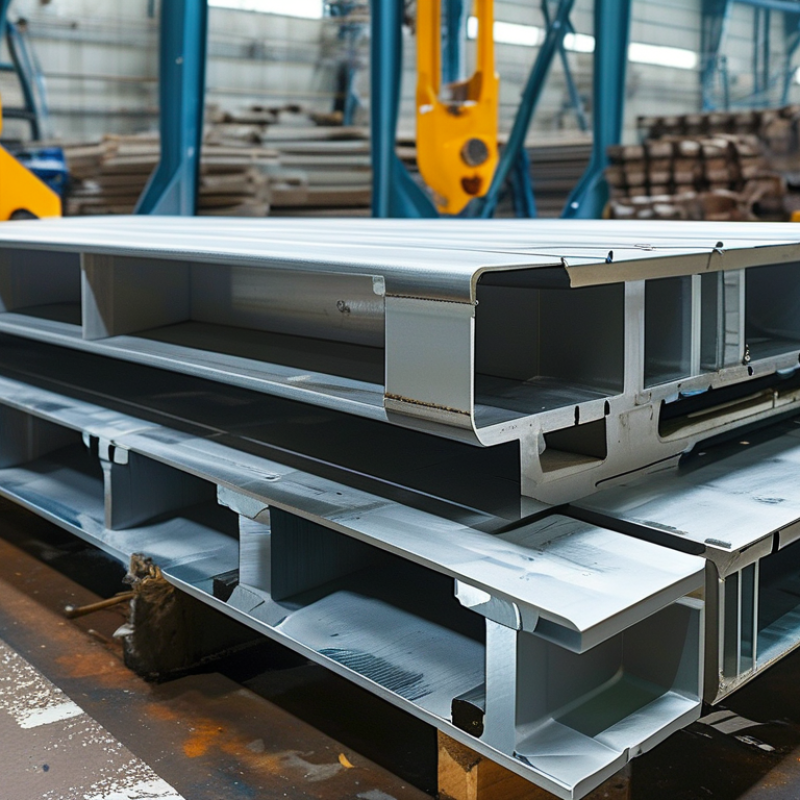
Understanding Anodized Aluminum Profiles and Their Applications
Anodized aluminum profiles are vital in various industries. Anodizing enhances aluminum's surface, improving durability and corrosion resistance. This process involves an electrochemical treatment that creates an oxide layer. This layer not only protects but can also be colored for aesthetic appeal.
In architecture, anodized profiles are common. They are used in window frames, railings, and facades. Their versatility allows them to withstand harsh weather and maintain appearance over time. In electronics, these profiles serve as enclosures, safeguarding sensitive components. Other applications include automotive and furniture designs.
**Tips:** Consider the environment where the profiles will be used. Exposure to harsh chemicals may affect longevity. Always review potential color variations from anodizing. Small differences can impact design choices.
Selecting the right anodized aluminum requires careful consideration. Surface treatments can vary significantly in quality. Not every anodized finish is suitable for every application. Researching suppliers and their processes is essential. Quality variations exist, which may affect performance and appearance.
Key Benefits of Anodized Aluminum in Global Sourcing
Anodized aluminum is becoming a popular choice in global sourcing due to its many benefits. According to industry reports, the global anodized aluminum market is expected to reach $30 billion by 2025. This growth can be attributed to its superior corrosion resistance and aesthetics. Anodized surfaces resist scratching and wear, making them ideal for various applications, from construction to consumer goods.
Durability is a key factor. Anodized aluminum is not only strong but also lightweight. This combination makes it perfect for transportation uses. A recent survey revealed that nearly 70% of manufacturers prefer anodized aluminum for lightweight components. Additionally, the aesthetic appeal cannot be overlooked. The ability to obtain various colors through anodization allows customization. This is essential for companies looking to enhance brand identity.
Despite these advantages, there are challenges. The anodization process can increase production costs. Others note that color consistency can sometimes vary. This inconsistency might lead to product discrepancies on large orders. However, these drawbacks are often outweighed by the performance benefits. Manufacturers need to weigh these factors carefully. Balancing cost against quality is crucial for effective sourcing decisions.
Top Anodized Aluminum Profiles for Global Sourcing Needs
| Profile Type |
Dimensions (mm) |
Weight (kg/m) |
Finish Type |
Key Benefits |
| Square Tube |
25 x 25 |
0.75 |
Anodized |
Corrosion Resistance, Lightweight |
| Rectangular Tube |
50 x 30 |
1.5 |
Brushed Anodized |
Durability, Aesthetic Appeal |
| Angle Profile |
20 x 20 |
0.5 |
Anodized |
Strength, Versatility |
| Round Tube |
30 |
0.9 |
Anodized |
Resistance to Wear, Lightweight |
| T-Slot Profile |
40 x 40 |
1.2 |
Anodized |
Flexibility in Design, Easy Assembly |
Top Manufacturers of Anodized Aluminum Profiles Worldwide
The demand for anodized aluminum profiles is soaring globally. This growth is driven by industries such as construction, automotive, and aerospace. Recent market reports show that the global anodized aluminum market is expected to reach approximately $11 billion by 2025, with a compound annual growth rate (CAGR) of 5.7%. Various manufacturers across different regions dominate this market, each offering unique capabilities.
Leading manufacturers focus on sustainability and efficiency. They invest in advanced technology to ensure high-quality anodizing processes. Countries like Germany, China, and the United States are known for their significant contributions to the manufacturing landscape. However, the industry still faces challenges. Not all manufacturers maintain the same standards, leading to variations in product quality and durability. This inconsistency can be a concern for buyers seeking reliability.
**Tip:** Always request samples before placing bulk orders. Testing the product ensures it meets specific quality requirements.
Furthermore, understanding the specific needs of your project is crucial. Some manufacturers provide customized solutions. While it offers flexibility, it can sometimes result in unexpected delays or costs. Balancing customization with standard options might prove beneficial in managing expectations and timelines.
Trends in Anodized Aluminum Profile Innovations
The market for anodized aluminum profiles is evolving rapidly. Innovations are making these profiles more versatile, appealing to various industries. Advances in coating techniques enhance durability and aesthetic appeal. This transformation meets the growing demand for sustainable materials.
One emerging trend is the use of eco-friendly anodizing processes. These methods minimize environmental impact, which is becoming increasingly important for manufacturers. Additionally, custom finishes offer unique designs, allowing for personalized products that cater to specific applications. This flexibility can be challenging but is essential for staying competitive.
However, challenges persist. Many manufacturers struggle with consistency in quality among different batches. This inconsistency can lead to trust issues with clients. As technology develops, improving these processes will be crucial. Innovation must balance creativity with reliability to meet global sourcing needs effectively.
Criteria for Selecting Anodized Aluminum Profiles for Sourcing
When selecting anodized aluminum profiles for global sourcing, several criteria come into play. Understanding the different types of anodization processes is crucial. Common methods include sulfuric acid anodizing and hard coat anodizing. Each process affects durability and corrosion resistance differently. According to industry reports, sulfuric acid anodizing can enhance the surface hardness by 50% or more, making it a preferred choice for many applications.
Another key factor is the thickness of the anodized layer. The Federal Aviation Administration (FAA) recommends a minimum thickness of 0.7 mils for components in aviation applications. Profiles with thicker anodized layers not only resist corrosion but also provide better aesthetic qualities. A report from the Aluminum Anodizers Council indicates that profiles with a 25-micron anodized layer can last substantially longer in harsh environments, ensuring longevity and performance.
Additionally, sourcing sustainably has become increasingly important. Suppliers should provide certifications for their anodizing processes to ensure they meet environmental standards. Some studies show that sourcing from environmentally responsible suppliers can impact business reputation positively. However, the challenge is identifying these suppliers and verifying claims. Transparency in sourcing remains a critical area that needs improvement. The pursuit of sustainability in anodized aluminum sourcing must continue to evolve to meet industry demands.







 wechat