One Stop Solution For Aluminum Profiles
调查
表单加载...

China Best Aluminum Profiles Manufacturer for Global Buyers?

Choosing the right Aluminum Profiles manufacturer in China involves more than comparing quoted prices. Global buyers also need consistent alloy quality, accurate dimensions, dependable surface finishes, and clear communication. A profile that looks correct in a sample may behave differently across a large production run. That difference can affect assembly time, product appearance, and project costs.

Look closely at how a manufacturer controls each stage, from billet selection and extrusion to finishing and packing. Ask for relevant test reports, dimensional inspection records, and samples that match your intended application. Check whether the supplier can explain tolerances, tooling requirements, packaging options, and realistic lead times in plain terms. Specific answers matter. Vague promises do not.

This guide examines practical factors for evaluating Chinese aluminum profile suppliers, including production capability, quality assurance, customization, and export support. It also considers questions buyers can raise before placing an order, such as how defects are handled and how changes are documented. No supplier is the best fit for every project. A factory suited to architectural components may not meet the needs of a precision equipment design. The right choice depends on your drawings, volume, finish expectations, and delivery schedule. Even careful checks cannot remove every risk, but they can reveal gaps early and support a more informed decision.
China Best Aluminum Profiles Manufacturer for Global Buyers?

What Aluminum Profiles Are and How They Are Made

Aluminum profiles are long sections shaped to a specific cross-section. A window frame, machine rail, and heat sink may all use profiles, but their shapes and performance needs differ. The basic material is lightweight, corrosion-resistant aluminum alloy. The alloy and temper influence strength, flexibility, and finishing options.

Most profiles are made by extrusion. A heated aluminum billet is pressed through a steel die, which forms the desired shape. The emerging section can be several meters long. Workers cool it, stretch it to reduce distortion, and cut it to length. Heat treatment may then improve mechanical properties. Small changes in die design or process temperature can affect wall thickness and straightness. Details matter.

The finished profile may be anodized, powder coated, or left with a mill finish, depending on its use. Quality checks can include dimensional measurements, surface inspection, and tests suited to the specification. For a buyer, a drawing with clear tolerances is more useful than a vague request for a “standard” section. Yet drawings do not catch everything; handling marks and slight color variation can still appear. That is worth discussing before production, not after a shipment arrives.
Main Types of Aluminum Profiles Available in China

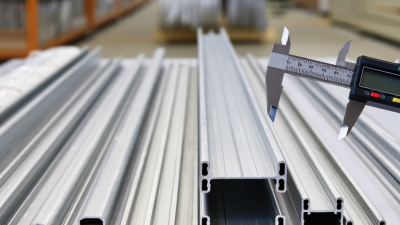
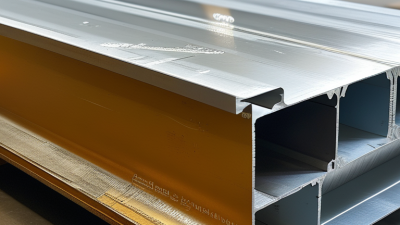
China supplies several main types of aluminum profiles for construction, transport, and industrial equipment. Extruded profiles are the most common: heated aluminum passes through a shaped die to form sections such as channels, angles, tubes, and custom cross-sections. Standard shapes suit shelves, frames, and brackets. Custom dies can match a specific assembly, though design changes may add tooling cost and lead time.

Architectural profiles are used in window frames, curtain walls, doors, and partitions. Their performance depends on more than appearance; alloy, wall thickness, finish, and fabrication all matter. Industrial profiles often feature T-slots for adjustable machine frames, guards, and workstations. Heat sinks use finned sections to increase surface area and help release heat. Some buyers also source profiles for rail, vehicle, and solar-support structures. Specifications vary. Confirm dimensions and tolerances with a technical drawing, not just a product photo. The names can be confusing, and I’d check how each supplier defines them.

Tips: Ask for alloy and temper details, section drawings, surface-finish options, and sample measurements. Check straightness and wall thickness on delivered pieces. A small mismatch can complicate assembly. Consider packaging too, since long profiles may bend or scratch during transit. Requesting a trial batch can reveal issues before a larger order.

China’s Main Types of Aluminum Profiles for Global Buyers

Common profile categories and examples of applications. Bars count the application examples listed for each category; they do not represent market size, production volume, or supplier rankings.

Industries and Applications Served by Chinese Manufacturers

Chinese aluminum profile manufacturers serve a wide range of industries, from building construction to factory automation. In commercial buildings, profiles can form window frames, curtain walls, partitions, and sunshades. Buyers often specify alloy, finish, and dimensions to match local weather and installation needs. A coastal project, for example, may require careful attention to corrosion resistance.

Factories use aluminum profiles for machine frames, conveyor supports, workstations, and protective enclosures. Their T-slots allow brackets and panels to be repositioned without welding. That flexibility saves time. It also makes accurate cutting and consistent slot dimensions important; even a small mismatch can slow assembly. Some buyers focus on the profile alone, but connectors and surface treatment matter too.

Transport, electronics, and renewable-energy projects bring other uses. Lightweight profiles may support vehicle components, equipment housings, or solar-panel mounting structures. Each application has different load, heat, and exposure conditions, so one standard section rarely fits every job. Samples and technical drawings help confirm a design before production. Still, drawings can miss details from real installation, such as limited tool access. That deserves a second look.

How to Evaluate a Chinese Aluminum Profile Manufacturer

China Best Aluminum Profiles Manufacturer for Global Buyers?

How to Evaluate a Chinese Aluminum Profile Manufacturer

Choosing a supplier takes more than comparing quoted prices. Ask for the alloy and temper specifications, dimensional tolerances, and surface-finish options for your intended application. Then compare these details with your drawings. A sample should fit, feel consistent, and show clean edges. Small gaps matter. Request production samples, not only polished display pieces, and check critical dimensions with suitable measuring tools.

Review how the manufacturer controls each production stage, from extrusion and aging to finishing and packing. Ask for inspection records and a clear process for handling nonconforming parts. A factory visit or independent inspection can help verify equipment and quality procedures. Check whether the supplier can explain lead times, tooling costs, minimum orders, and packaging in writing. Communication matters too. Vague answers are worth following up, though they do not prove poor quality by themselves.

Tips: Send one detailed drawing and a short list of must-pass requirements. Ask the supplier to mark inspection points on the drawing. Compare the returned sample against those points before approving bulk production. Keep one concern in mind: a good sample cannot guarantee every shipment will match. Agree on inspection criteria and retain records from each order.

China Best Aluminum Profiles Manufacturer for Global Buyers? — How to Evaluate a Chinese Aluminum Profile Manufacturer
Evaluation Dimension What to Check Useful Evidence or Reference Why It Matters
Alloy and temper Confirm the alloy, temper, and applicable product standard for the intended use. Request material certificates and test reports. Common extrusion alloys include 6060, 6061, and 6063; suitability depends on the design and required properties. Alloy and temper affect strength, corrosion behavior, machinability, and formability.
Dimensional capability Review profile dimensions, wall thickness, straightness, and tolerance requirements. Ask for the manufacturer’s tolerance schedule and a sample inspection report. Compare requirements with the relevant drawing and standard, such as EN 755 or ASTM B221, where applicable. Consistent dimensions help prevent assembly problems and reduce rework.
Tooling and design support Clarify die design, tooling ownership, modification costs, and approval steps. Request a written tooling quotation, die lead time, design review, and first-article approval plan. Clear tooling terms reduce delays and disputes when a custom profile needs revision.
Surface finishing Specify the finish, color, appearance, and performance requirements. For anodizing, define the required coating thickness and test method. For powder coating, specify the applicable coating standard, color reference, and inspection criteria. Finish quality affects appearance, corrosion protection, and suitability for the installation environment.
Quality control Check inspection procedures for incoming material, extrusion, finishing, and final packing. Request a sample inspection plan, traceability details, calibration records, and a recent batch report. Verify any claimed management-system certification with the issuing body. Documented controls make quality expectations measurable and easier to audit.
Testing and compliance Identify destination-market, project, and application requirements before ordering. Request relevant test reports and declarations for the exact product and finish. Confirm that the documents identify the tested material, method, and issuing laboratory. Requirements vary by market and use; generic certificates may not establish compliance for a specific order.
Production capacity and lead time Check available press capacity, finishing capability, order size, and production scheduling. Ask for a written lead-time estimate covering tooling, sample approval, production, finishing, and packing. A complete schedule gives a more realistic delivery estimate than production time alone.
Packaging and transport Agree on protection, bundle size, labeling, and loading requirements. Request packaging photos or a packing specification. Confirm whether the shipment is prepared for the selected transport mode and destination. Suitable packaging helps reduce scratching, deformation, and handling damage in transit.
Commercial terms Compare quotation scope, payment terms, delivery terms, and charges. Ensure the quotation states alloy, temper, finish, tolerances, quantity, tooling, packaging, and the agreed Incoterms® rule and named place. Like-for-like quotations make total cost and responsibilities clearer.
Communication and after-sales support Assess response quality, technical understanding, complaint handling, and corrective-action process. Use a written question list and ask how nonconforming products are investigated, documented, and resolved. Reliable communication supports specification control and faster resolution of production issues.

Key Steps for Global Buyers to Source Aluminum Profiles from China

Sourcing aluminum profiles from China starts with a clear technical brief. Specify alloy, temper, cross-section dimensions, tolerances, finish, and intended use. Attach a dimensioned drawing, not just a product photo. A 0.2-millimeter tolerance can matter in a sliding assembly. So can the corner radius. If your design is still changing, say so; vague specifications often lead to mismatched samples.

Check a supplier’s production capability before comparing prices. Ask about extrusion press capacity, available die sizes, machining, surface treatment, and inspection equipment. Request a sample made with the proposed process. Measure it against your drawing, and inspect finish consistency under ordinary lighting. Ask for material and inspection records linked to the sample batch. Details matter. A polished showroom sample may not reflect routine production, so verify how repeat orders are controlled.

Agree on commercial details in writing. Confirm minimum order quantity, tooling ownership, lead time, packaging, payment milestones, and the inspection method before production begins. For a first order, consider a pre-shipment inspection or an agreed sample approval checkpoint. Check how profiles will be protected from scratches and moisture during transport. Build in time for revisions. I would not assume every supplier interprets “standard tolerance” the same way; it is a small phrase with expensive consequences.