Top Tips for Sourcing Aluminum Extrusion Efficiently?
When considering how to source aluminum extrusion efficiently, it is essential to navigate the complexities of the market. Aluminum extrusion is a widely utilized process in various industries, from construction to automotive manufacturing. The versatility and strength of aluminum make it a top choice for many applications. However, sourcing this material can be challenging, with numerous suppliers and specifications to evaluate.
Understanding the nuances of aluminum extrusion helps streamline the sourcing process. Many factors influence quality, including material grades and production methods. A reliable supplier who understands your specific needs is crucial. It's worth reflecting on past sourcing experiences. Did you receive the expected quality and timely delivery? Were there any unexpected costs?
Efficiency in sourcing aluminum extrusion not only saves time but also reduces overall project risks. Investing time in research can lead to significant long-term benefits. Building relationships with credible suppliers can enhance your sourcing process. Ultimately, achieving a seamless operation requires careful thought, attention to detail, and a willingness to adapt. The journey may not be perfect, but with informed decisions, successful sourcing becomes attainable.
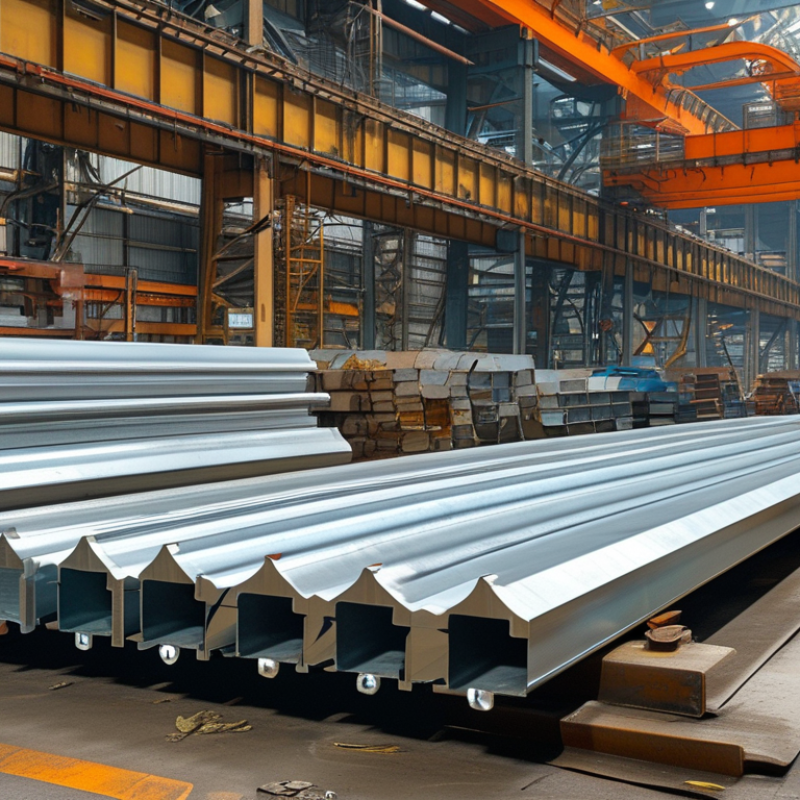
Understanding Aluminum Extrusion and Its Applications
Aluminum extrusion is an essential manufacturing process used in various industries. It involves shaping aluminum alloy by pressing it through a die. This method produces lightweight, yet strong profiles that are vital for construction, automotive, and consumer goods. According to a report by the Aluminum Association, the global aluminum extrusion market is projected to reach $60 billion by 2025. This growth highlights the increasing reliance on aluminum components.
Applications of aluminum extrusion are vast. In construction, it forms window frames, curtain walls, and structural components. The automotive sector utilizes extruded aluminum for parts such as chassis and body panels, improving fuel efficiency and reducing weight. A study from MarketsandMarkets indicates that lightweight materials like aluminum can enhance vehicle performance by up to 10%. However, not all extrusions meet the required specifications, leading to increased costs and delays.
Challenges in sourcing aluminum extrusions include variability in quality and compliance issues. Manufacturers often struggle with inconsistent aluminum grades. The International Aluminum Institute notes that about 25% of extrusions fail to meet industry standards. Ensuring reliable sourcing requires rigorous testing and supplier audits. Addressing these issues can lead to better outcomes in product development and manufacturing efficiency.
Identifying Reliable Suppliers for Aluminum Extrusions
Finding reliable suppliers for aluminum extrusions can be challenging. Start by researching potential suppliers thoroughly. Check for industry certifications. Visit their websites to assess their range of products. Look for detailed specifications and customer reviews. These insights can help you gauge their reliability and expertise.
Establishing communication with suppliers is crucial. Ask questions about their manufacturing processes. Seek information about their quality control measures. Transparency is key. A reliable supplier should willingly share their production timelines and policies. Consider requesting samples before making larger orders. This allows you to evaluate product quality firsthand.
Reflect on your supplier selection process regularly. Track your orders and assess their performance. Are they meeting deadlines? Are the products consistently meeting your specifications? This reflection helps refine your criteria for selecting suppliers. A strong partnership with a reliable supplier can make a significant difference in your sourcing efficiency.
Evaluating Quality Standards in Aluminum Extrusion Production
When evaluating quality standards in aluminum extrusion production, several factors must be considered. The Aluminum Association suggests that nearly 70% of extrusion defects can be attributed to process variability. High-quality extrusion requires precise control over temperature, profile design, and tooling. Even slight deviations can lead to significant performance issues.
Testing for mechanical properties is crucial. Reports show that extrusions must meet or exceed specific tensile strength and hardness thresholds. According to industry data, nearly 90% of manufacturers report that stringent quality control protocols significantly reduce scrap and rework. Processes like die checks and co-extrusion techniques can enhance material properties.
Understanding quality certifications is also key. Many manufacturers seek ISO 9001 certification, which indicates a commitment to quality management. However, not all suppliers maintain these credentials consistently. It's essential to review inspection reports and conduct periodic audits. Recognizing potential gaps in quality can promote long-term improvements in production efficiency.
Optimizing Costs in Aluminum Extrusion Sourcing
Sourcing aluminum extrusion can be a complex task. To optimize costs effectively, begin by analyzing your project requirements. Understanding the precise specifications for your extrusions will help in obtaining accurate quotes. Insufficient details can lead to unexpected costs. This initial step sets the foundation for an efficient sourcing process.
Engaging with multiple suppliers is crucial. It encourages competition and can lead to better pricing. However, constantly switching suppliers might not always be beneficial. Building a reliable relationship with a selected supplier can sometimes yield greater savings in the long run. You might encounter challenges in quality control if you switch frequently.
Monitoring market trends is equally important. Aluminum prices fluctuate due to various factors. Staying informed about these changes allows for timely decisions. Neglecting to track these trends can result in overspending. Consider consulting industry reports to gain insights. Reflecting on your sourcing strategies can unveil gaps and highlight areas for improvement.
Top Tips for Sourcing Aluminum Extrusion Efficiently
| Tip |
Description |
Estimated Cost Savings (%) |
Implementation Timeframe |
| Understand Material Specifications |
Define the required alloy and temper to avoid over-specification. |
5-10% |
1 Week |
| Optimize Design for Extrusion |
Simplify designs to reduce material waste and processing time. |
10-15% |
2 Weeks |
| Source from Multiple Suppliers |
Evaluate and compare different suppliers to find the best pricing. |
5-20% |
Ongoing |
| Consider Bulk Ordering |
Purchase larger quantities to negotiate better pricing. |
10-25% |
1 Month |
| Establish Long-term Partnerships |
Work closely with suppliers to improve reliability and reduce costs. |
5-15% |
Ongoing |
Leveraging Technology for Efficient Aluminum Extrusion Sourcing
In today's competitive market, leveraging technology can significantly enhance the sourcing of aluminum extrusions.
Advanced software tools streamline the sourcing process.
They help track suppliers, manage quotes, and analyze material specifications. Automation reduces the time spent on repetitive tasks,
increasing efficiency.
Digital tools also improve communication between teams.
Real-time collaboration fosters quick decision-making.
By using cloud-based platforms, teams can share information effortlessly.
This connectivity enhances the workflow and reduces miscommunication.
However, not every company adopts these technologies swiftly.
Some organizations may struggle with implementation.
They face challenges in training staff and adapting to new systems.
These hurdles can delay progress. It's crucial for leadership to recognize these obstacles and seek continuous improvement.
Investing time in training can yield significant returns in vendor relationships and material quality.
Exploring technology is essential, but the human element remains key.








 wechat